
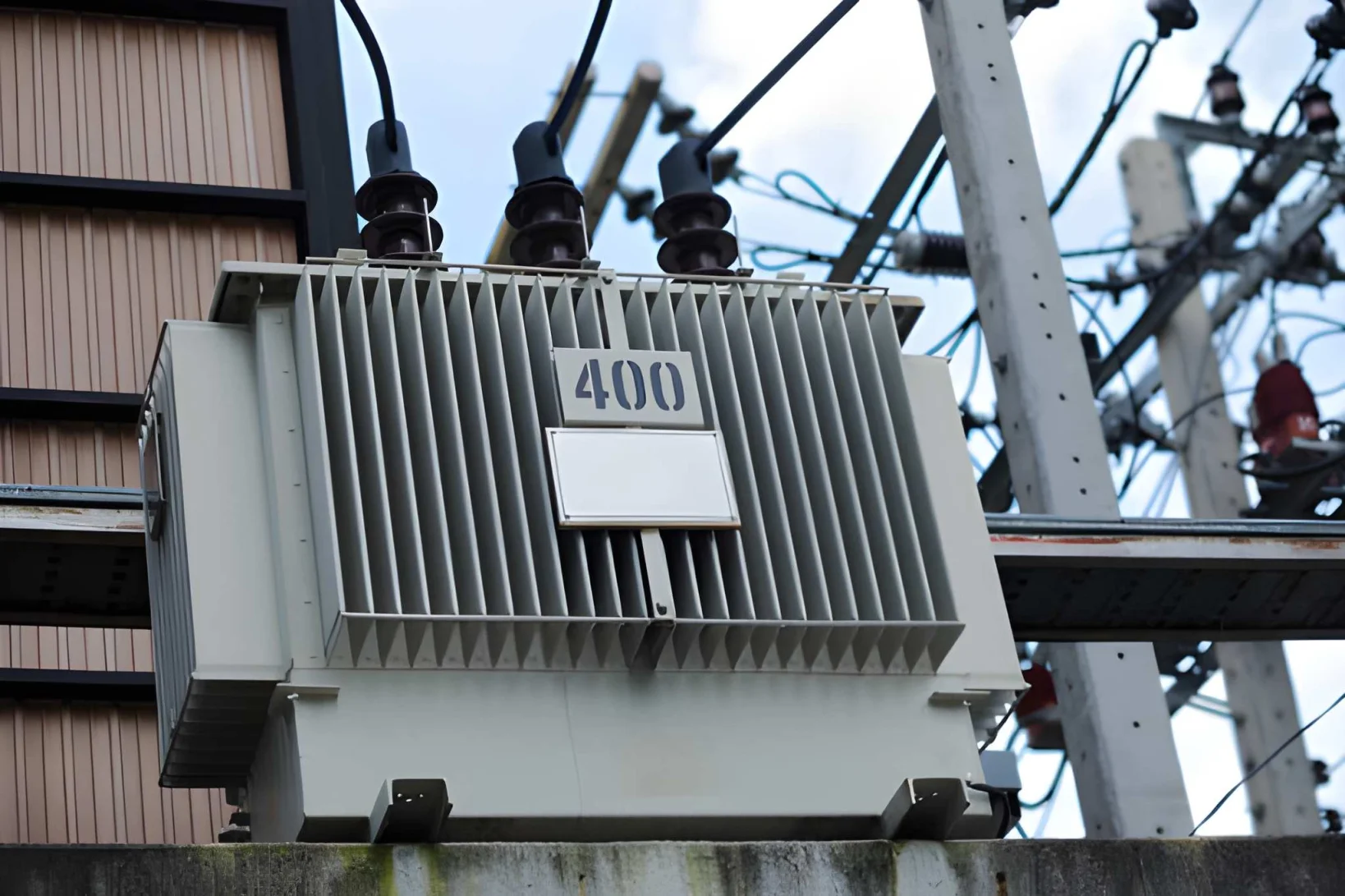
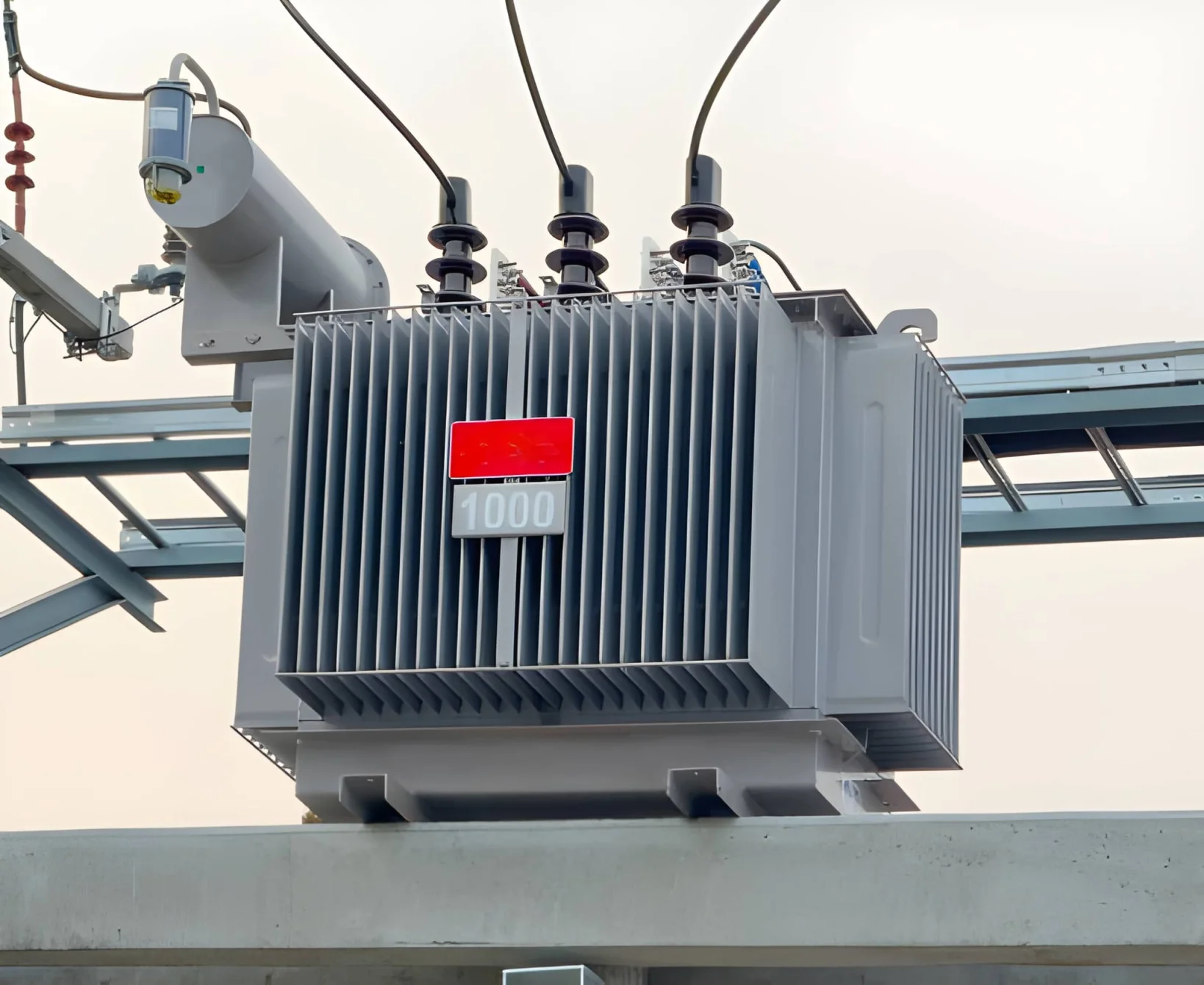
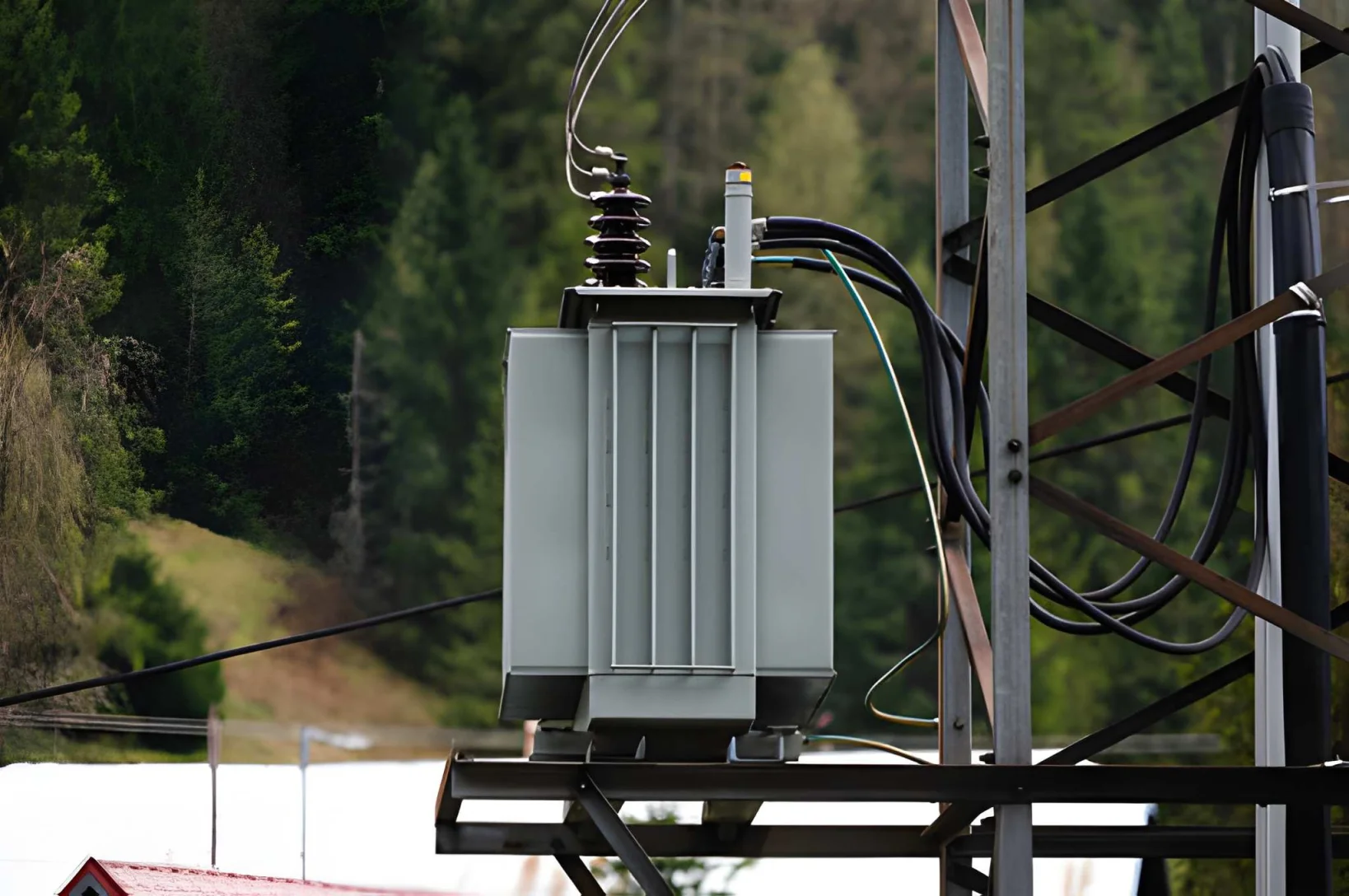
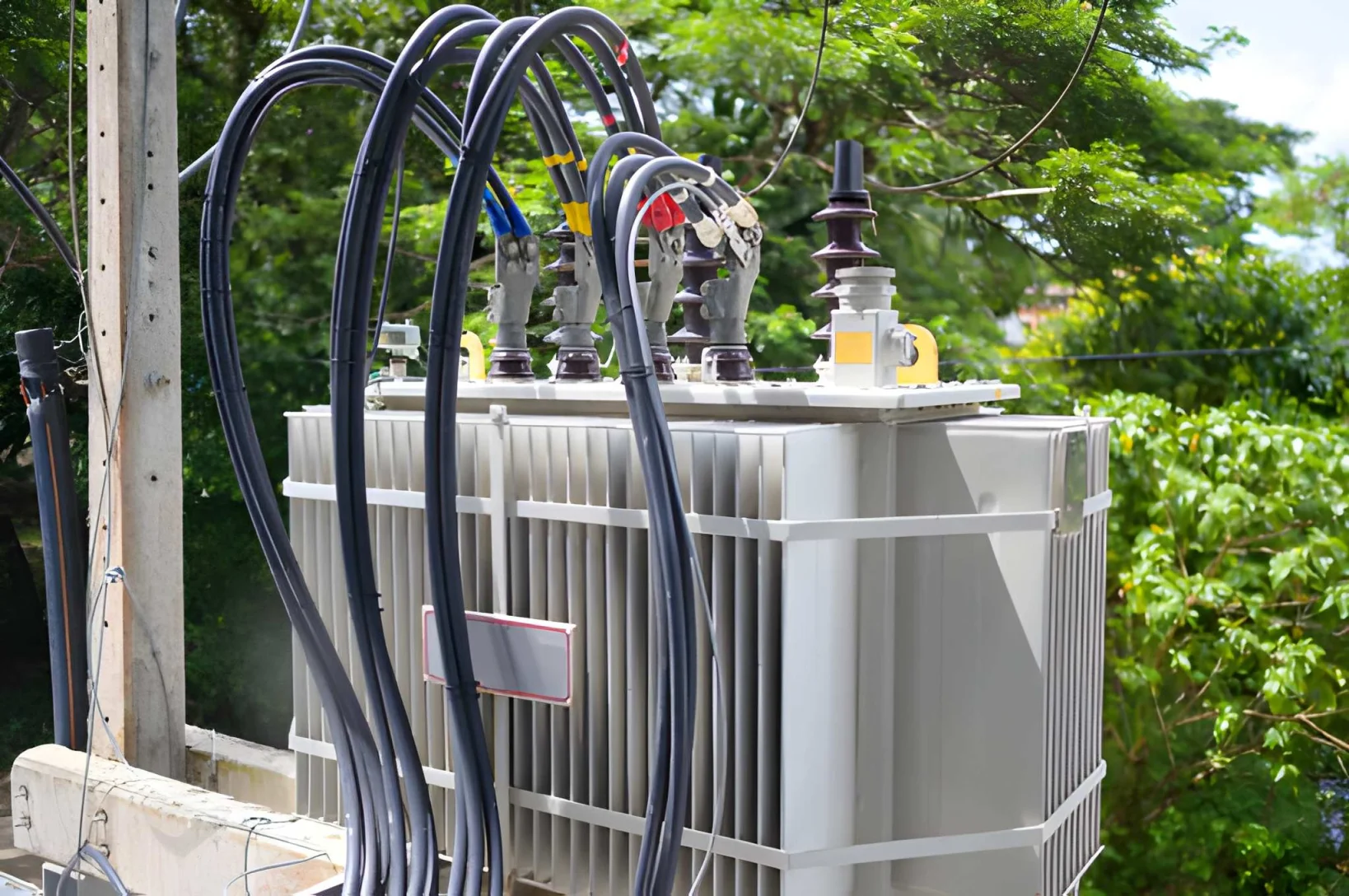
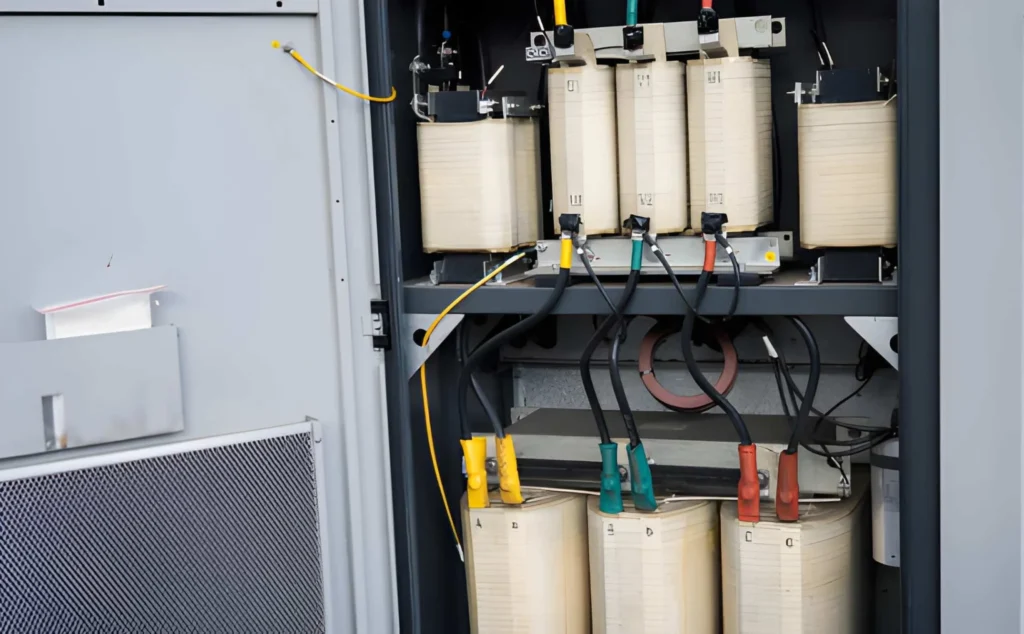
What Are Dry-Type Transformers?
Dry-type transformers are electrical devices that transfer energy using air instead of liquid for cooling. Unlike oil-filled transformers that use mineral oil or other coolants, dry-type transformers rely on natural air circulation or fans to dissipate heat, making them safer and more environmentally friendly.
How Dry-Type Transformers Work
- Air-cooled principle: The transformer windings and core are cooled by surrounding air, either naturally ventilated or forced air.
- No liquid insulation: The windings are insulated with materials like varnish or resin instead of oil.
Dry-Type vs Oil-Filled Transformers
| Feature | Dry-Type Transformer | Oil-Filled Transformer |
|---|---|---|
| Cooling | Air-cooled (natural or forced) | Oil-cooled and immersed in mineral oil |
| Safety | Low fire risk, no flammable liquids | Higher fire risk due to flammable oil |
| Maintenance | Minimal, easier to inspect and clean | Requires oil testing and maintenance |
| Environmental impact | Eco-friendly, less hazardous | Oil disposal concerns, risk of leaks |
| Installation | Suitable indoors, tighter spaces | Often requires outdoor or ventilated area |
Common Dry-Type Transformer Types
- Ventilated Dry-Type (VPI): Vacuum Pressure Impregnated windings with airflow vents to cool the coils.
- Cast Resin Transformers: Windings encapsulated in epoxy resin for excellent moisture resistance and durability.
- Encapsulated Transformers: Entire transformer assembly enclosed in a protective resin or synthetic material to guard against dust and contaminants.
Dry-type transformers are ideal for applications where safety, low maintenance, and environmental concerns are top priorities. They are widely used in commercial buildings, industrial sites, and sensitive indoor environments.
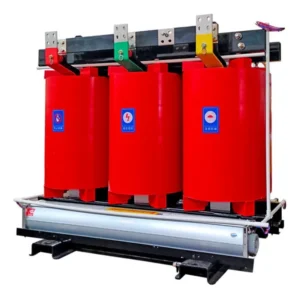
History and Legacy of Cutler-Hammer Dry-Type Transformers
Cutler-Hammer has long been a trusted name in electrical distribution, known for producing reliable dry-type power transformers that serve a wide range of industrial and commercial needs. Their dry-type transformers stood out for durability and safety, often rated between 15 to 1000 kVA with common primary voltages around 480V. These transformers typically used high-quality copper or aluminum winding materials, which balanced cost, efficiency, and performance.
Over time, Cutler-Hammer became part of Eaton, a global leader in power management. Eaton continued the legacy by expanding on Cutler-Hammer’s designs and introducing advanced dry-type distribution transformers like the DS-3 and DT-3 series, improving efficiency and compliance with modern standards. These current Eaton models maintain the durable build and air-cooled designs that Cutler-Hammer popularized while incorporating updated enclosure options and temperature rise ratings.
Today’s Eaton dry-type transformers carry forward trusted features from those legacy Cutler-Hammer models, combining proven specs with modern energy efficiency and safety standards. For customers looking for dry-type transformers with a legacy of quality, Eaton’s DS-3 and DT-3 remain go-to models, offering power ratings up to 1000 kVA and voltage classes suitable for up to 600V applications.
For those interested in detailed specifications or more specialized dry-type transformer insulation, exploring Kampa’s dry-type transformer insulation series is a good resource to see how modern equivalents have evolved.
Key Features and Specifications of Cutler-Hammer/Eaton Dry-Type Transformers
Cutler-Hammer, now part of Eaton, offers dry-type power transformers designed to meet a wide range of electrical distribution needs. These units are built with quality, efficiency, and safety in mind, covering various voltage classes, thermal ratings, and enclosures.
Voltage Classes and Ratings
- Rated primarily for low to medium voltage use, typically up to 600V.
- Common kVA ratings range from 15 kVA to 1000 kVA, supporting both single-phase and three-phase power distribution.
Efficiency Standards
- Compliant with the latest DOE 2016 transformer efficiency standards, ensuring energy-efficient operation.
- Helps lower energy losses and reduces operating costs over the transformer’s life.
Temperature Rise Options
Dry-type transformers from Cutler-Hammer/Eaton commonly offer:
| Temperature Rise | Description | Common Use |
|——————|—————————–|——————————–|
| 150°C | Higher temperature capacity | Industrial sites with higher heat tolerance |
| 115°C | Standard temperature rise | General commercial and industrial applications |
| 80°C | Low temperature rise | Sensitive environments (hospitals, schools) |
Enclosure Types and Seismic Ratings
- Available with NEMA 1, 2, and 3R enclosures, suitable for indoor and outdoor environments.
- Seismic qualifications are available to meet building code requirements in earthquake-prone areas.
Winding Materials and Sound Levels
- Choice between aluminum and copper windings depending on cost, efficiency, and weight preferences.
- Copper windings offer better conductivity and slightly higher efficiency, while aluminum is more cost-effective and lighter.
- Low sound emission design ensures quiet operation, ideal for noise-sensitive spaces.
For more detailed guidance on specifications and maintenance, check out our insights on how to maintain a dry-type transformer for performance.
These key features make Cutler-Hammer/Eaton dry-type transformers a solid choice for reliable energy-efficient power distribution with flexible installation options.
Advantages of Dry-Type Transformers
Dry-type transformers like the Cutler Hammer dry type transformer offer several clear advantages that make them a smart choice for many applications. First up is safety. Since these transformers use air for cooling and contain no flammable liquids, they significantly reduce fire risks compared to oil-filled transformers. This makes them ideal for indoor environments where safety is a top priority.
Maintenance is another big plus. Dry-type transformers require less upkeep because there’s no oil to monitor or replace. Their long service life means fewer replacements and lower overall costs. Environmentally, they are much friendlier too—being fully recyclable and free of hazardous liquids helps minimize environmental impact.
Thanks to their design, dry-type transformers are perfect for indoor installations such as hospitals, schools, and commercial buildings where space and quiet operation matter. They run quietly and have a compact footprint, which helps maintain a comfortable environment without the noise or bulky size common with other transformer types.
Overall, these benefits make dry-type transformers a reliable, efficient, and eco-safe solution for a wide range of power distribution needs.
For more details on the types and designs, you might find this overview of dry-type transformer core technology and applications helpful.
Applications and Use Cases of Cutler Hammer Dry Type Transformers
Cutler Hammer dry type transformers, now under Eaton, are widely used across various sectors due to their safety, reliability, and efficiency. In commercial settings like office buildings, shopping centers, and data centers, these transformers provide stable power distribution with quiet operation and compact design, ideal for indoor environments.
On the industrial front, they support manufacturing plants and renewable energy projects where durability and low maintenance play a crucial role. Their ability to handle fluctuating loads makes them popular in factories and solar or wind energy installations.
In institutional environments such as hospitals, universities, and underground facilities, the dry type transformer’s safety features—no flammable liquids and minimal fire risk—are vital. These transformers comply with strict regulations, ensuring continuous, reliable power where it’s needed most.
Historically, Cutler Hammer dry type transformers have been chosen for projects requiring robust performance and adaptability, including retrofit work in older buildings and new construction. Their legacy models, known for trusted specifications and aluminum or copper winding options, remain favored in many long-standing installations.
For specialized applications, such as protected environments or unique voltage requirements, working with reliable transformer suppliers like Kampa can help secure tailored Eaton dry-type distribution transformers that meet exact specifications and safety standards. Explore comprehensive options like the Jdzx18-610R single-phase cast voltage transformer for specific industrial uses.
In , Cutler Hammer dry type transformers suit a broad range of commercial, industrial, and institutional needs where safety, efficiency, and low environmental impact matter most.
Dry-Type vs Oil-Filled Transformers: Quick Comparison
Choosing between dry-type transformers and oil-filled transformers depends on your project needs. Here’s a quick look at their pros and cons to help you decide when a dry-type transformer like a Cutler Hammer dry type transformer or an Eaton model fits best.
| Feature | Dry-Type Transformers | Oil-Filled Transformers |
|---|---|---|
| Safety | No flammable liquids, low fire risk | Contains oil, potential fire and spill risk |
| Maintenance | Low maintenance, easy inspections | Requires regular oil checks and maintenance |
| Installation | Indoor-friendly, no special containment needed | Usually needs oil containment and ventilation |
| Efficiency | Typically high, DOE 2016 compliant available | Efficient, but may vary by design |
| Environment | Eco-friendly, recyclable, no oil disposal | Oil disposal required, environmental risks |
| Noise Level | Quiet operation | Can be noisier due to cooling |
| Cost | Usually higher upfront cost | Generally lower initial cost |
When to Choose Dry-Type Transformers
- Indoor or sensitive environments: Hospitals, schools, and commercial buildings where safety and quiet operation are a priority.
- Low maintenance desires: Facilities looking to reduce upkeep and avoid oil handling.
- Tight space and ventilation limits: Dry-type transformers run cooler without oil, fitting compact installations.
- Environmental concerns: Areas with strict environmental regulations prefer dry-type due to zero oil risk.
Dry-type transformers, especially those from Eaton’s line continuing Cutler-Hammer’s legacy, provide a safer, cleaner, and often more reliable option for many electrical distribution needs.
For more detailed basics on dry-type transformers and their types, check out this complete guide on dry-type transformers.
Choosing the Right Dry-Type Transformer
Picking the right dry-type transformer depends on several key factors. First, consider the kVA rating required to meet your load demand—oversizing wastes energy, while undersizing risks failure. Next, check the voltage level needed, whether low or medium voltage, keeping in mind primary and secondary voltages. The load type matters too: resistive, inductive, or nonlinear loads affect transformer sizing and design features.
Environmental conditions also play a big role. For example, transformers installed indoors in sensitive places like hospitals need quiet, efficient models with proper NEMA enclosures, while outdoor or harsh environments demand robust, weather-resistant designs.
Customization is often essential. Many transformer suppliers, including Kampa’s dry-type transformer range, offer tailored voltage classes, enclosure options, and efficiency levels. Choosing the right options ensures compliance with standards like DOE 2016 transformer efficiency and meets your specific installation needs.
Here are some practical sizing and selection tips:
- Calculate the exact load kVA plus 10–20% margin for future growth or start-up currents.
- Select temperature rise ratings (80ºC, 115ºC, or 150ºC) based on installation environment and cooling needs.
- Match winding materials—copper is common for efficiency and longevity; aluminum is cost-effective for lighter loads.
- Ensure the NEMA enclosure type suits your site conditions (NEMA 1 for indoors, 3R for outdoor wet locations).
- Factor in seismic or other regulatory qualifications if required.
By balancing these factors—load, voltage, environment, and customization—you can get an energy-efficient dry-type power transformer that’s reliable and fits your operational goals perfectly. For a deeper understanding of how these transformers work and the importance of smart choices, check out this guide on understanding dry-type transformer safety and smart power solutions.
Kampa as Reliable Dry-Type Transformer Supplier
Kampa is a trusted name when it comes to dry-type power transformers. Their extensive range covers everything from low voltage dry transformers to high-capacity three-phase dry transformers, designed to meet diverse industry needs. Whether you need a ventilated dry-type transformer or a cast resin transformer, Kampa offers versatile options to fit your specific requirements.
Customization is a key advantage with Kampa. They provide tailored solutions covering voltages, kVA ratings, NEMA enclosure types, and additional features like enhanced insulation or seismic qualifications. This flexibility ensures you get a dry-type transformer perfectly suited for your installation environment and load demands.
Partnering with Kampa means more than just quality products. They offer competitive pricing, reliable delivery schedules, and expert technical support, helping you select and maintain the right transformer. Plus, their dry-type transformers meet or exceed legacy brand standards like Cutler-Hammer and Eaton, ensuring compatibility and trusted performance.
For a closer look at Kampa’s dry-type solutions, check out their range of dry-type power transformers and discover how their customization options can fit your project needs.
Installation, Maintenance, and Best Practices for Dry-Type Transformers
Proper installation and regular maintenance are key to getting the best out of your Cutler-Hammer dry type transformer or any other dry-type power transformers. Here’s a straightforward guide to help you keep your unit running smoothly:
Site Preparation and Ventilation Needs
- Location: Install transformers in clean, dry areas away from dust, moisture, and chemical exposure.
- Ventilation: Ensure adequate airflow around ventilated dry-type transformers to prevent overheating. Avoid blocking air vents or placing units in confined spaces.
- Flooring: Use solid, level surfaces to minimize vibrations and facilitate grounding.
Routine Inspections and Cleaning
- Visual Checks: Regularly inspect for dust, dirt buildup, corrosion, and any signs of overheating or physical damage.
- Cleaning: Use dry compressed air or a soft brush to clean windings and enclosures. Avoid water or solvents which can damage insulation.
- Testing: Perform insulation resistance testing and thermal imaging to detect hotspots or insulation drift early on.
Troubleshooting Common Issues
- Noise and Vibrations: Check for loose parts or improper mounting that may cause excessive noise.
- Overheating: Ensure ventilation isn’t obstructed and verify load compatibility to prevent overheating.
- Moisture: Look out for moisture ingress, which can cause corrosion or insulation failure.
Extending Lifespan Through Care
- Schedule regular professional maintenance to monitor winding integrity and system performance.
- Use proper load management to avoid overloading — this helps maintain transformer efficiency and prevents premature wear.
- Upgrade enclosures or cooling options to suit changing environmental conditions when necessary.
For those dealing with high voltage requirements and protection, integrating indoor high voltage vacuum circuit breakers can complement your transformer setup effectively and safely.
Through these steps, you ensure your Eaton dry-type distribution transformer or any legacy Cutler-Hammer models continue performing reliably over many years.
For expert supply options and tailored solutions, explore trusted suppliers with customizable dry-type transformers designed to meet your specifications.
FAQs About Cutler-Hammer Dry-Type Transformers
What happened to Cutler-Hammer transformers?
Cutler-Hammer transformers became part of the Eaton brand after Eaton acquired Cutler-Hammer’s electrical division. Today, Eaton continues the legacy with updated dry-type power transformers like the DS-3 and DT-3 series, maintaining the quality and performance that Cutler-Hammer was known for.
Are Eaton transformers compatible with older Cutler-Hammer models?
Yes, Eaton dry-type transformers are designed to be compatible with many older Cutler-Hammer units, especially in terms of specifications like voltage classes and kVA ratings. This makes upgrading or replacing legacy equipment straightforward without major rewiring or system overhauls.
Can I customize my dry-type transformer?
Absolutely. Many transformer suppliers, including Eaton and reputable companies like Kampa, offer customization options on dry-type transformers. You can specify voltage, kVA, enclosure types (NEMA 1, 2, 3R), winding materials (aluminum or copper), and additional features to perfectly fit your application needs. For instance, you might explore Kampa’s tailored solutions for dry-type transformers that exceed legacy brand standards.
What is the typical lifespan of a Cutler-Hammer or Eaton dry-type transformer?
With proper installation and maintenance, these transformers often last 25 to 40 years. Their dry-type design reduces fire risk and maintenance needs, contributing to a long and reliable service life in commercial and industrial settings.
Where can I buy reliable dry-type transformers?
Trusted transformer suppliers like Kampa provide a broad range of dry-type transformers including Cutler-Hammer legacy models and Eaton equivalents. They offer expert support, competitive pricing, and flexible delivery schedules. For those looking for specialized industrial power solutions, checking out Kampa’s industrial power distribution and protection offerings is a great start.
If you’re considering a dry-type transformer, look for suppliers that offer thorough customization and strong customer support to match your exact specifications and ensure hassle-free operation.