
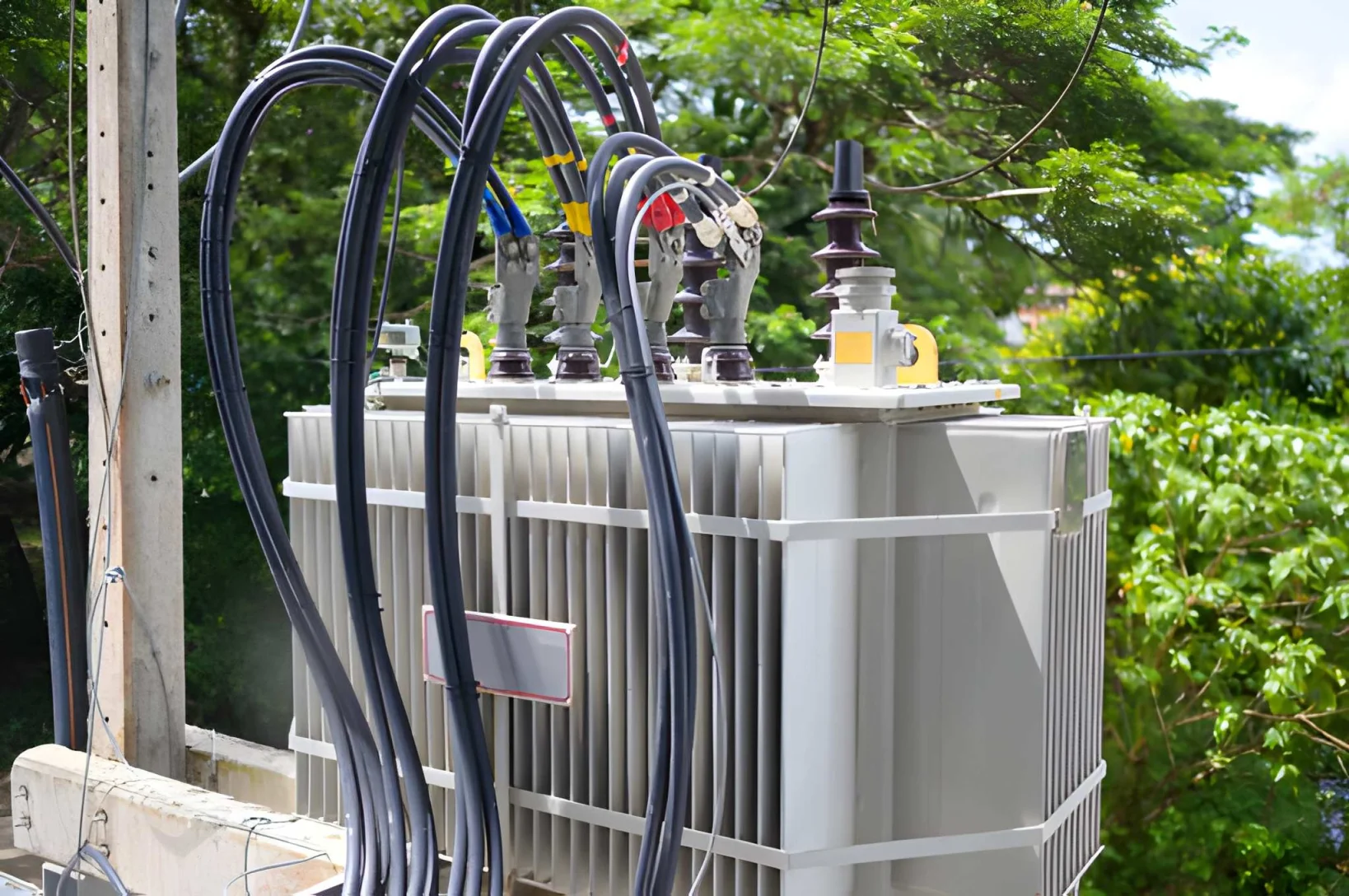
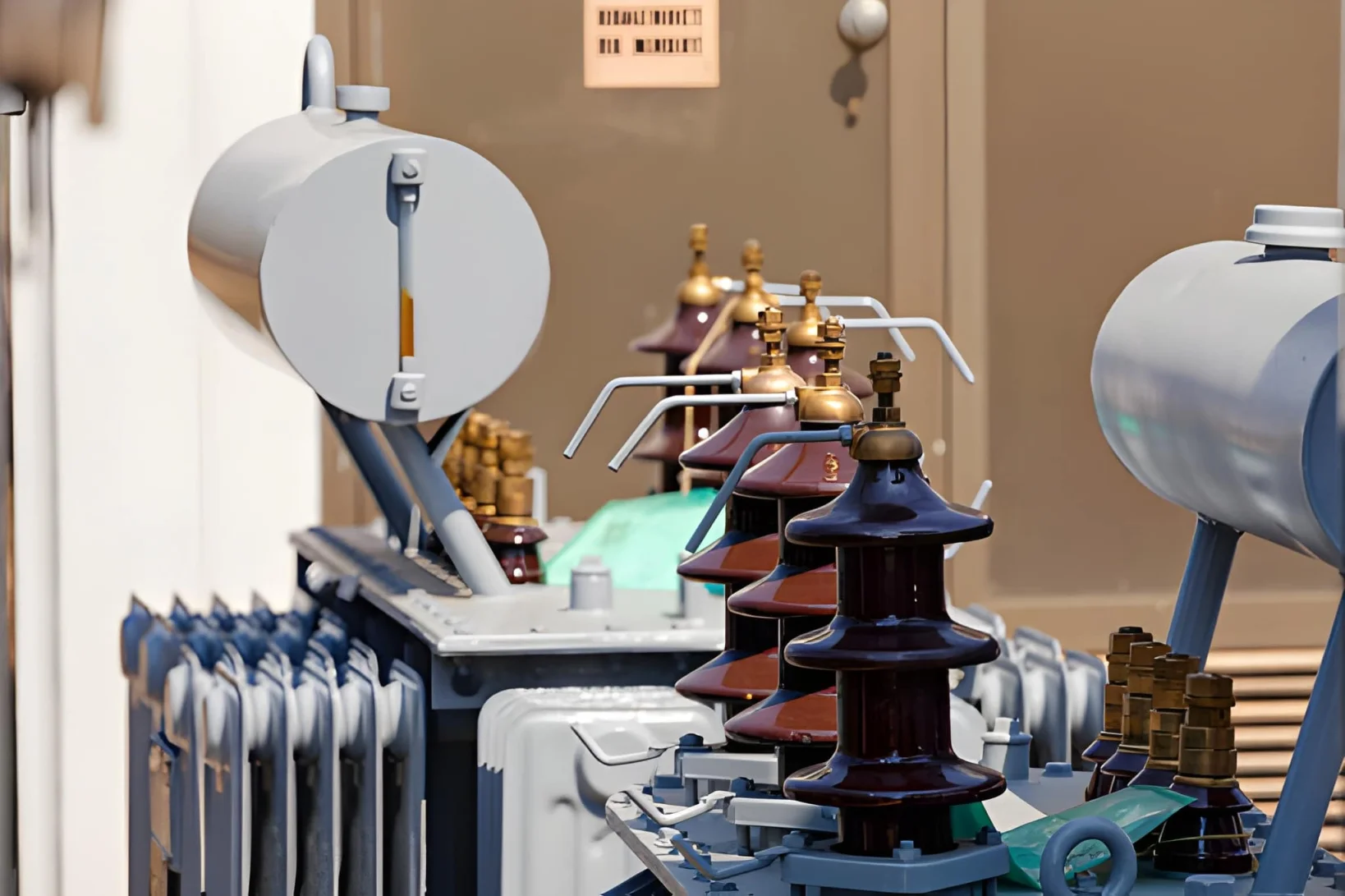
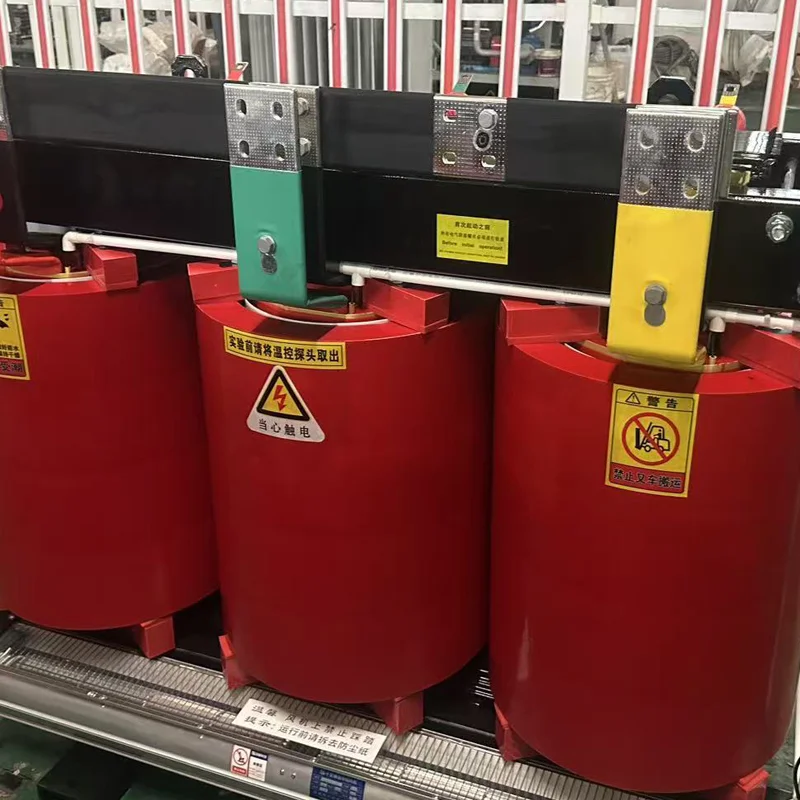
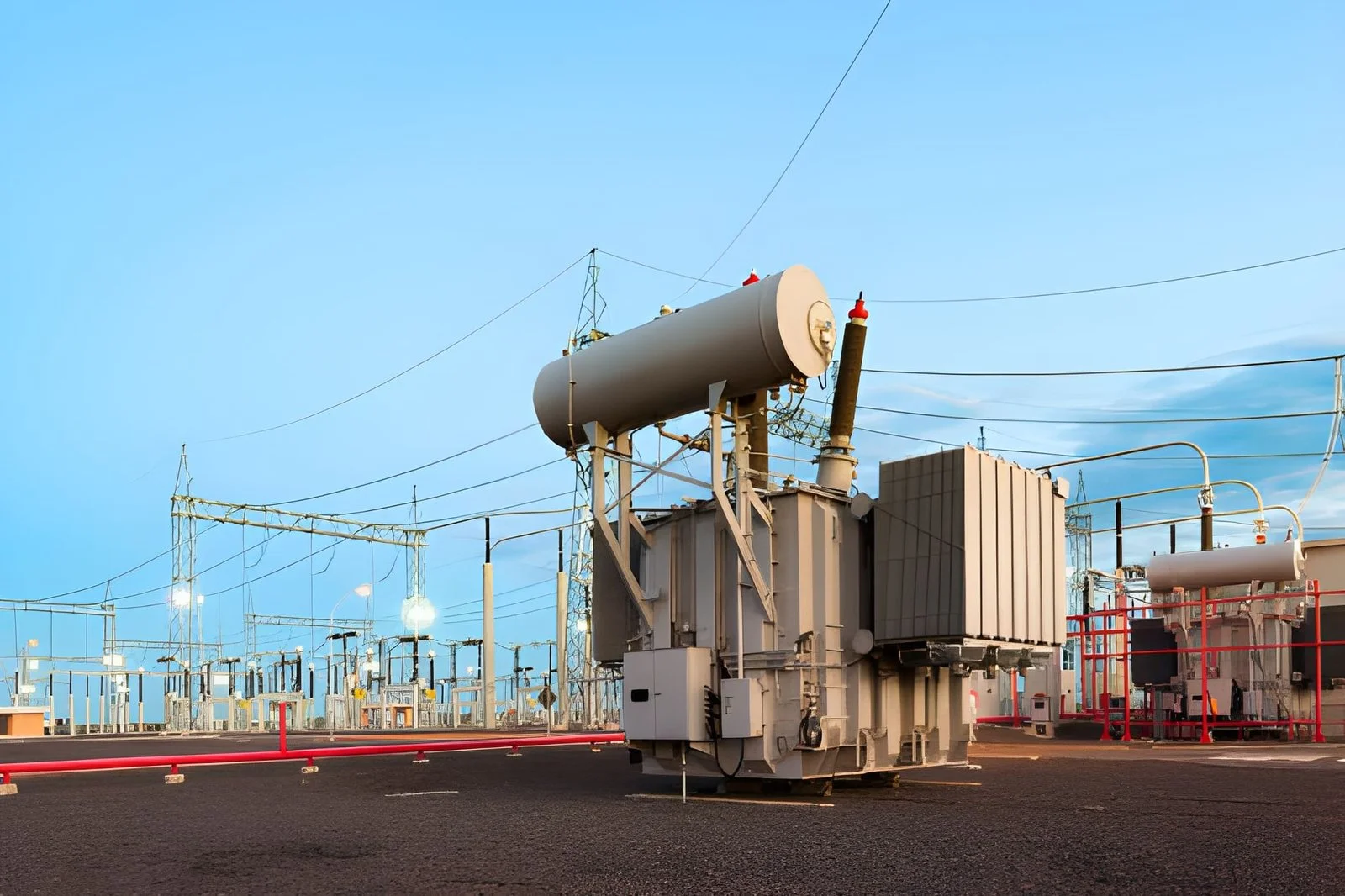
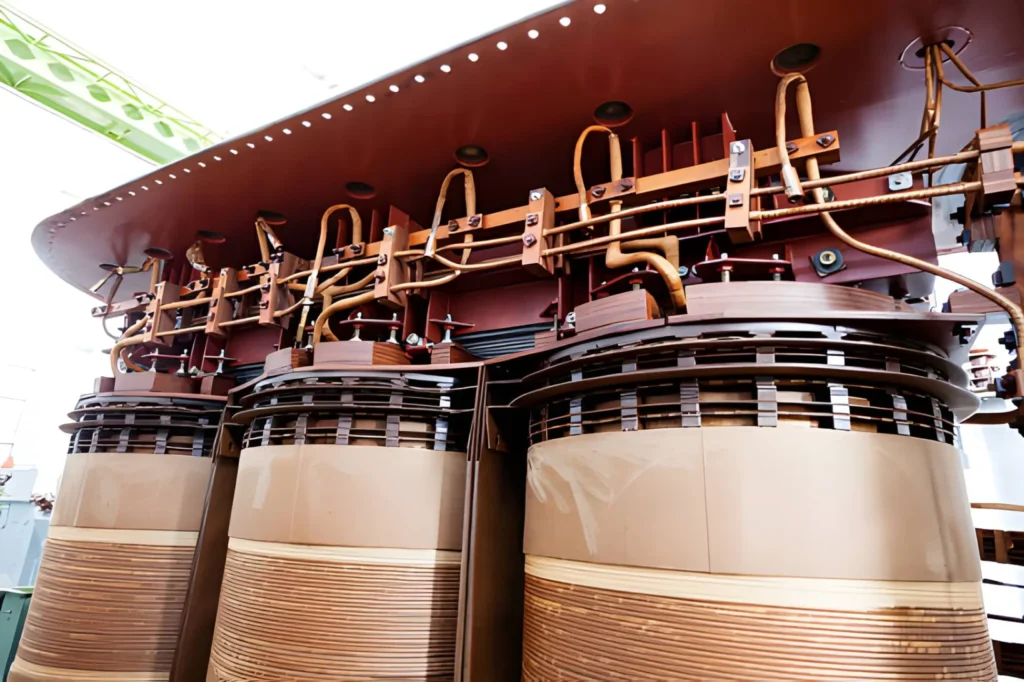
If you are in charge of buying power equipment, “what is dry-type power transformer and price” is not a philosophical question. It is: “What exactly am I buying, how do I wire it, which model should I pick, and how much is this going to cost me?”
In this article I will walk you through dry-type power transformers from a practical B2B angle: what they are, where they fit, how to connect them in real projects, how to choose capacity and insulation, and what drives dry-type transformer prices in the real world. I will also use examples like VPI dry-type transformer, cast resin dry-type transformer, Nomex dry-type transformer insulation, and typical kVA ranges so you can map directly to your RFQs. And yes, I will show you realistic price bands and how buyers like you actually negotiate value instead of just chasing a low quote.
If at any point you think, “Okay, I just want a quote,” that is fine—drop your specs and ask for a dry-type transformer price sheet; that is literally what we are here for.
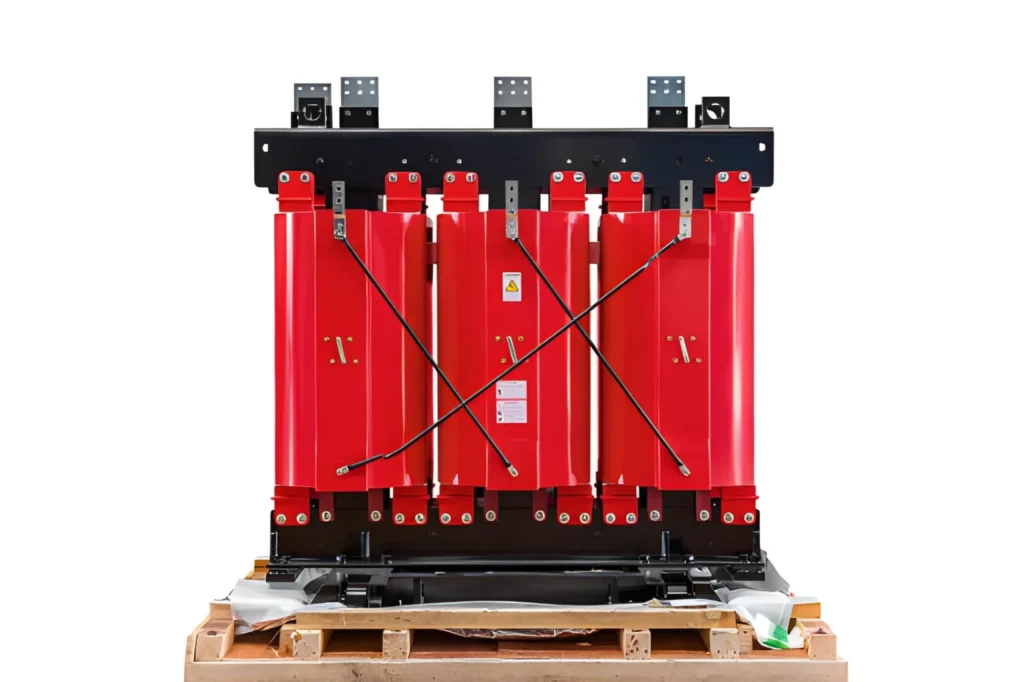
What Is a Dry-Type Power Transformer?
A dry-type power transformer is a transformer whose core and windings are cooled by air, not oil, and whose insulation is solid material (varnish, epoxy resin, or high-temperature paper like Nomex). No oil tank, no oil leaks, much lower fire risk, and simpler installation inside buildings.
Most industrial and commercial dry-type transformers fall into two big families:
- VPI dry-type transformer (Vacuum Pressure Impregnated)
- Cast resin dry-type transformer (also called cast coil or epoxy resin dry transformer)
A VPI dry-type transformer uses varnish or resin drawn into the windings under vacuum and pressure; it gives strong insulation, good thermal performance, and good mechanical strength without fully encapsulating the coil. A cast resin dry-type transformer fully encapsulates windings in epoxy, giving excellent protection against moisture, dust, and harsh atmospheres—but at a higher material cost and with different thermal behavior.
Because there is no oil, dry-type transformers are widely used inside factories, hospitals, schools, high-rise buildings, data centers, and commercial complexes, typically at low and medium voltages (for example 10 kV / 0.4 kV or 11 kV / 0.4 kV distribution levels).
Key Construction Features and Insulation Systems
When you look at a dry-type transformer insulation series (for example, a product line designed around Nomex or high-temperature class F/H systems), you are essentially choosing its long-term thermal and mechanical “backbone.” This directly affects lifetime, overload capability, safety, and, of course, price.
Typical features you will see on a professional dry-type transformer product page:
- High-temperature insulation system: Class F or Class H, often using Nomex-based insulation for higher thermal stability and safety margins.
- Core with low-loss silicon steel or even amorphous alloy in premium designs, reducing no-load losses but increasing upfront cost.
- Cooling type: AN (air natural) or AF (air forced) using fans for higher load capability.
- Optional enclosure for indoor/outdoor use, NEMA or IEC compliant, and multiple winding configurations (delta, star, zigzag).
Why does dry-type transformer insulation matter for you as a buyer? Because better insulation (for example, Nomex dry-type transformer insulation) can support higher temperature rise and overload, allowing a more compact design with less copper and core steel and lower lifetime cost. For example, a Nomex-insulated dry-type transformer with 80 K temperature rise can operate continuously at up to 133% of rated load, which is a big deal in applications with high harmonic loading or fluctuating load profiles.
VPI vs. Cast Resin: Which Dry-Type Transformer Technology Should You Choose?
If your RFQ simply says “dry-type power transformer,” you are missing an important design choice: VPI vs cast resin. Let me put them side by side.
Technology comparison table
So, which one should you pick in practice?
- If you are installing in a normal industrial hall, commercial building, or data center with controlled environment and you care about cost performance, a VPI dry-type transformer is usually the most economical and flexible choice.
- If you are next to the sea, in a chemical plant, underground tunnel, or any place where you do not trust the air, a cast resin dry-type transformer or epoxy resin dry transformer pays for itself in reduced risk and maintenance.
If you are unsure which insulation series matches your site conditions, you can send your environmental conditions (humidity, dust, chemicals, altitude) together with kVA and voltage and we can propose either VPI, cast resin, or hybrid solutions based on real cases.
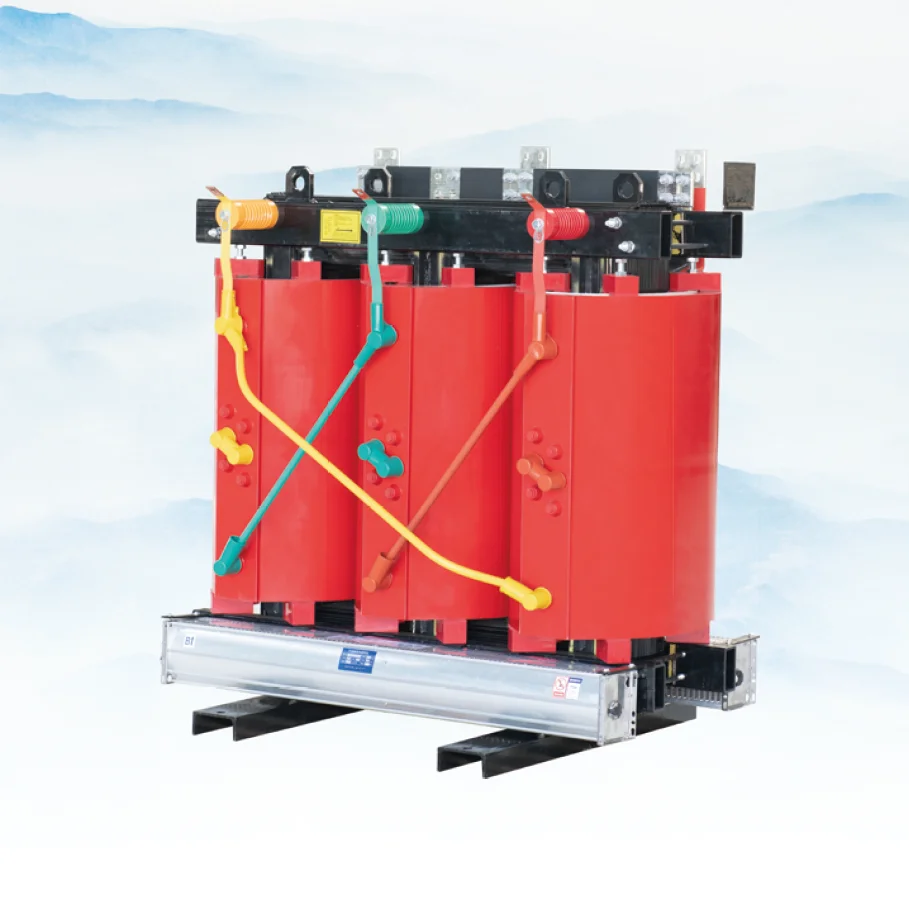
Learn what a dry type power transformer is, how to connect and size it, and what really drives Dry-Type Power Transformer and price for buyers.
How Much Does a Dry-Type Power Transformer Cost?
Now to the question nobody wants to ask out loud in a meeting: “Okay, what is the dry-type transformer price?”
There is no single number, but we have very stable price patterns driven by kVA, voltage level, materials, insulation class, and standards requirement.
Typical price ranges by capacity
Below is an indicative reference (2025–2026 market level) for distribution-class dry-type power transformers.
Broadly speaking, low-voltage dry-type transformers (5–100 kVA) can run from about 1,000 to 10,000 USD depending on design, while medium-voltage dry-type transformers (10–1,000 kVA and above) often land between 5,000 and 30,000 USD. Remember, these are reference numbers; actual quotes depend on copper vs aluminum, enclosure rating, insulation series, and compliance with local standards.
Dry-type transformer price is typically higher per kVA than oil-immersed distribution transformers because of specialized resin systems, ventilation design, and insulation materials, but installation and environmental costs (no oil containment, no fire-rated pit) are lower. Also, low-loss cores and premium insulation add to upfront price while saving a lot of energy over a 30-year lifetime.
Main Factors Affecting Dry-Type Transformer Price
When you receive three quotes for a “1,000 kVA dry-type transformer” and the numbers are completely different, it is not magic; it is these cost drivers working together.
Price factors overview
| Factor | How it affects price |
|---|---|
| Capacity (kVA) | Higher kVA = more copper, core steel, insulation, labor, so price scales up. |
| Voltage level & configuration | Medium voltage, dual-voltage, or special vector groups require more insulation and complex design. |
| Winding material | Copper windings cost more but offer lower load losses; aluminum is cheaper but less efficient. |
| Insulation class & system | Class F/H, Nomex dry-type transformer insulation, and high-temperature designs cost more upfront but support higher loading and lifetime. |
| Construction type | Dry-type (air-cooled) generally has higher unit price than comparable oil-immersed units. |
| Cooling method | AF (forced air) with fans and controls costs more than AN (natural air) but allows higher overload. |
| Standards & certifications | IEC, IEEE, UL, CSA, and energy-efficiency classes add design and test cost. |
| Supplier region & customization | Special enclosures, marine coatings, and small-lot custom designs carry a premium. |
From a buyer’s point of view, the art is to balance initial price against lifecycle cost. A transformer with slightly higher dry-type transformer price but lower losses and higher thermal margin can easily save more in energy and downtime over 20–30 years than the extra you pay on day one.
If you send your load profile (or even just rough load factor and operating hours) together with kVA and voltage, we can help you compare “cheapest initial price” vs “lowest 20-year cost” very quickly.
How to Choose the Right Dry-Type Power Transformer for Your Project
Let’s get practical: how do you select “this exact model” instead of just staring at a long dry-type transformer insulation series list? I like to break it into four simple decisions: kVA, voltage/configuration, insulation & cooling, and application-specific extras.
Selection checklist table
| Step | What you decide | Typical options |
|---|---|---|
| 1. kVA rating | Based on total load, diversity factor, and future growth | 100, 250, 500, 1,000, 2,000, 2,500 kVA etc. |
| 2. Primary / secondary voltage & vector | Match grid and load; consider delta/star, grounding, harmonics | 10 kV / 0.4 kV, 11 kV / 0.4 kV, 33 kV / 11 kV, Dyn11, Yyn0 etc. |
| 3. Technology & insulation | VPI vs cast resin; insulation class, Nomex or standard system | VPI dry-type transformer, cast resin dry-type transformer, class F/H. |
| 4. Cooling & enclosure | Indoor/outdoor, AN vs AF, IP/NEMA rating, noise limits | AN/AF, NEMA 1/3R, low-noise options. |
- Decide kVA rating
For a B2B project, you usually add up all connected loads, apply a diversity factor, and then add some capacity for growth and harmonics. A 500 kVA dry-type transformer can be ideal for a medium plant or building, while data centers or large factories often go with 1,000–2,500 kVA units or multiple transformers in parallel. - Define voltage and configuration
You must match the primary to the utility or upstream switchgear (for example 10 kV or 11 kV) and the secondary to your low-voltage system (commonly 0.4 kV in many regions). Decide if you need delta or star, whether the secondary needs a solidly grounded neutral, and whether you need special vector groups for harmonic mitigation or isolation. - Pick technology and insulation series
- Normal industrial/commercial environment: VPI dry-type transformer with class F or H insulation often gives the best price–performance balance.
- High humidity, corrosive, or coastal environment: consider a cast resin dry-type transformer or epoxy resin dry transformer with Nomex or high-grade epoxy system.
- High harmonic content or frequent overload: a Nomex dry-type transformer insulation system is very attractive because it can handle hot spots and higher temperature rise, enabling a more compact yet reliable design.
- Cooling and enclosure
AN cooling is simpler and cheaper, but AF with fans can allow more loading on the same frame size when you need it. For enclosures, think about indoor vs outdoor, IP/NEMA rating, noise requirements, and access for maintenance.
If you send your single-line diagram and load list, we can help you fill this table in one pass and point you to the specific dry-type transformer insulation series that match.
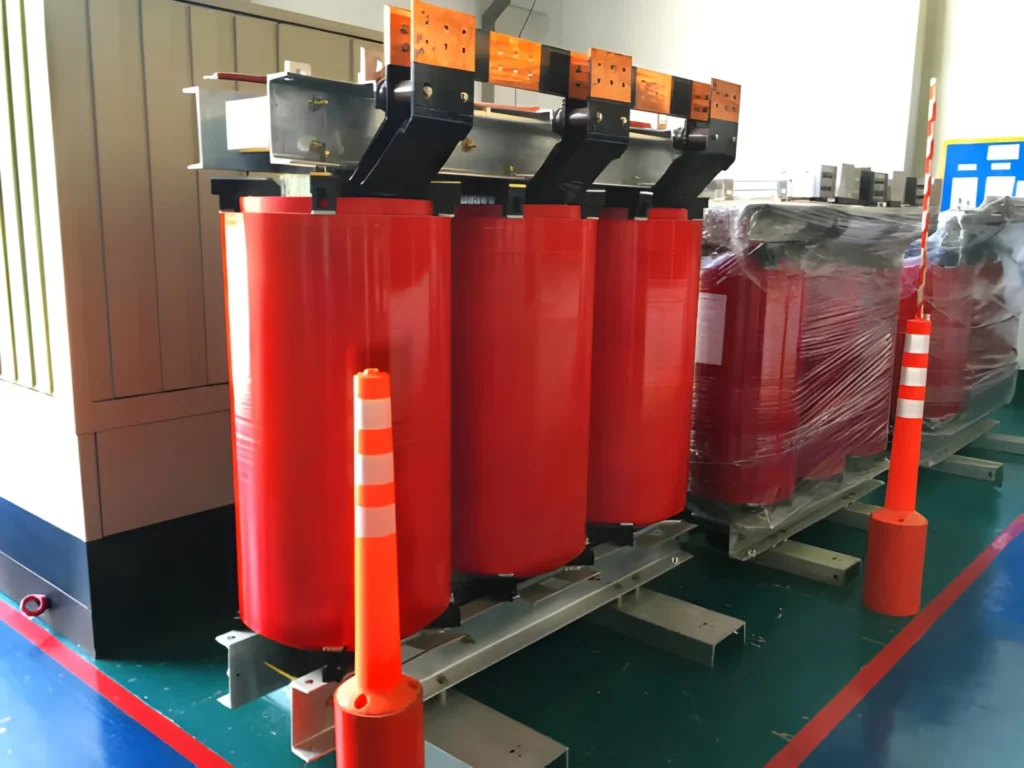
How to Connect a Dry-Type Power Transformer in Real Projects
Let’s talk briefly about “how to connect” from a practical B-side perspective. Of course, the actual wiring must follow your local codes and be completed by qualified personnel, but you, as a buyer or project engineer, need to understand the big picture.
Typical industrial dry-type power transformer connections:
- Primary side: often medium voltage, connected via switchgear or ring main unit; common configurations are delta or star depending on grid practice.
- Secondary side: often low voltage (0.4 kV), star with neutral brought out (for three-phase four-wire systems in buildings or plants).
Many distribution dry-type transformers are designed for Dyn11 or similar vector groups, meaning delta primary, star secondary, 30-degree phase shift, and neutral available. In practice, you will:
- Specify whether the neutral needs to be solidly grounded, resistance grounded, or left isolated depending on your protection scheme.
- Check the short-circuit level and protection device coordination—your transformer’s impedance must be compatible with upstream breakers.
- Ensure your cable and busbar systems match the transformer’s terminal type and current levels.
If your project relies on reverse feeding (for example using a low-voltage source to energize the transformer in reverse under certain conditions), you should confirm the transformer is listed as reverse-feed capable.
When you request a quote, including a simple sketch of how you plan to connect the transformer (MV source, LV distribution, grounding, and any special loads like VFDs or rectifiers) is one of the fastest ways to ensure you get the right terminals, vector group, and accessories without surprises.
Typical Applications and Why Buyers Prefer Dry-Type
Dry-type power transformers are popular because they bypass oil-related headaches while meeting modern safety and environmental expectations. You will see them used in:
- Commercial buildings and high-rises where fire safety and reduced footprint matter.
- Hospitals, schools, and public buildings where oil spills are not acceptable.
- Data centers and industrial automation lines with high load cycling and harmonic distortion.
- Marine and coastal installations when equipped with the right epoxy resin dry transformer insulation.
Because they can be installed closer to loads, dry-type transformers help shorten low-voltage runs, which reduces copper usage, losses, and sometimes even switchboard cost. Combined with energy-efficient core materials, this often compensates for the fact that dry-type transformer price per kVA is slightly higher than oil-filled alternatives.
Dry-Type Transformer Lifetime and Total Cost of Ownership
A well-designed dry-type power transformer can easily deliver 30 years of service or more with proper installation and loading. That is why smart buyers look beyond just the ex-works price and consider losses, maintenance, and downtime risk.
Energy-efficient dry-type transformers with low-loss cores and optimized windings may have higher initial price but lower energy consumption every hour of their life. Over 20 to 30 years, this energy saving can exceed the initial cost difference by a comfortable margin, particularly for transformers that run near rated load for long hours.
Also, higher insulation classes (for example Nomex dry-type transformer insulation with class H capability) provide more temperature headroom, improve overload resilience, and reduce the risk of premature aging under harmonically rich or fluctuating loads. That means fewer unplanned outages and fewer panicked phone calls at 3 a.m.—which, let’s be honest, is priceless.
B2B Buying Tips and Conversion-Oriented Keywords in Action
If you are searching for “dry type transformer cost 2025,” “dry type transformer price guide,” “VPI dry type transformer supplier,” or “epoxy resin dry transformer manufacturer,” you are not just researching; you are probably close to an RFQ.
Here is how professional buyers turn those searches into real purchasing decisions:
- Use the kVA and voltage ranges from your project to search “1000 kVA dry type transformer price” or “2000 kVA 11 kV/0.4 kV dry type transformer quotation.”
- Add technology keywords like “VPI dry type transformer” or “cast resin dry type transformer” and “insulation class F/H” when you know your environment and loading conditions.
- Ask explicitly for different options in your inquiry: copper vs aluminum windings, AN vs AF cooling, and different efficiency levels so you can compare upfront cost and lifecycle cost.
If you already know your kVA, primary/secondary voltage, installation environment, and desired insulation series, you can send these details in a single message and ask directly for a “dry-type transformer price sheet and lead time for [kVA] [kV] VPI or cast resin models.” That speeds up the process a lot.
FAQ
What exactly is a dry-type power transformer?
A dry-type power transformer is an air-cooled transformer with solid insulation instead of oil, used mainly for low- and medium-voltage distribution in buildings, plants, and infrastructure.
Why is dry-type transformer price higher than oil-filled in many cases?
Dry-type transformers use specialized solid insulation, resin systems, and ventilation designs, and they often target higher safety and efficiency classes, which increases material and manufacturing cost per kVA. However, they save on installation cost (no oil containment) and often on lifetime energy costs.
What is the price range of a typical 500–1,000 kVA dry-type transformer?
Depending on voltage, materials, and options, a 500 kVA unit often falls around 5,000–7,500 USD, and a 1,000 kVA unit around 8,000–12,000 USD in recent market conditions. Exact numbers depend heavily on specifications and standards.
How do I choose between VPI and cast resin dry-type transformers?
Choose VPI if you want a cost-effective, serviceable transformer in a reasonably clean, indoor industrial or commercial environment. Choose a cast resin dry-type transformer or epoxy resin dry transformer when you need very high moisture and contamination resistance, such as in coastal, chemical, or tunnel installations.
Does Nomex dry-type transformer insulation really make a difference?
Yes. Nomex-based systems offer outstanding thermal stability, mechanical toughness, and moisture resistance, allowing higher temperature rise, higher overload capability, and better performance under harmonic loading. That can translate into smaller size, lower losses, and longer life.
How long can a dry-type transformer last?
With proper design, installation, and loading, 30 years or more of reliable operation is typical for quality dry-type power transformers.
What information should I send to get a fast, accurate dry-type transformer quotation?
Provide kVA, primary and secondary voltage, frequency, vector group, insulation class, technology preference (VPI or cast resin), environment (indoor/outdoor, humidity, dust), cooling type (AN/AF), and required standards and certificates. The more precise you are, the fewer rounds of clarification you need and the quicker you get your dry-type transformer price.