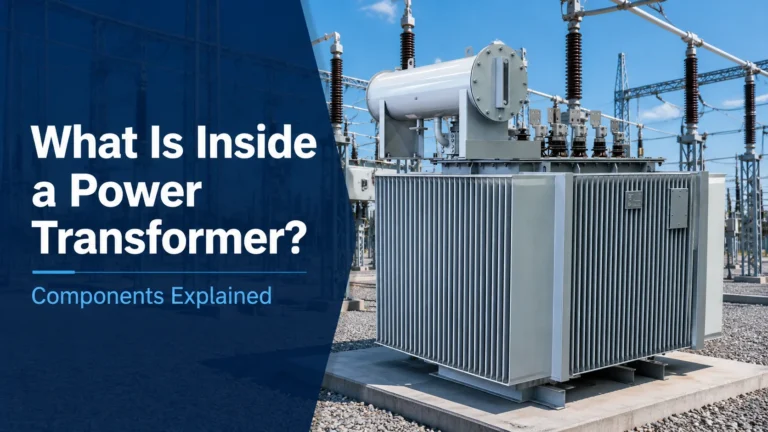
An oil‑immersed power transformer is not just a big metal box that “steps voltage up or down.” It is the quiet muscle between your grid and your factory, substation, or solar farm. In this article, I’ll walk you through what an oil‑immersed power transformer is, how it actually works, where it makes sense for your project, and—most importantly—how you should pick, connect, and judge cost when you are on a B‑to‑B buying journey.
Think of this as sitting with a transformer product engineer over coffee, not reading a dry catalog.
What exactly is an oil‑immersed power transformer?
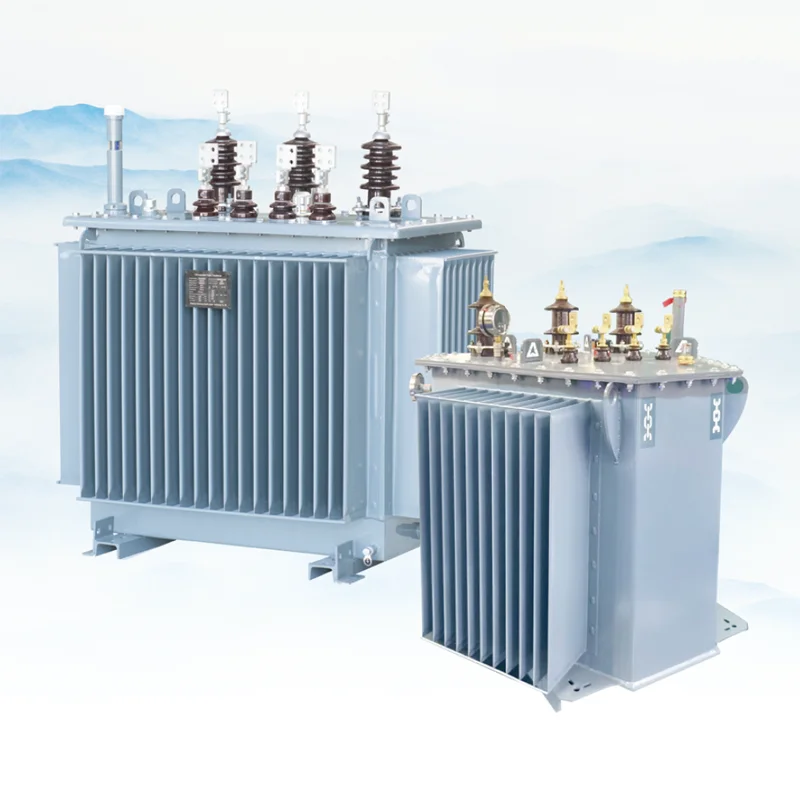
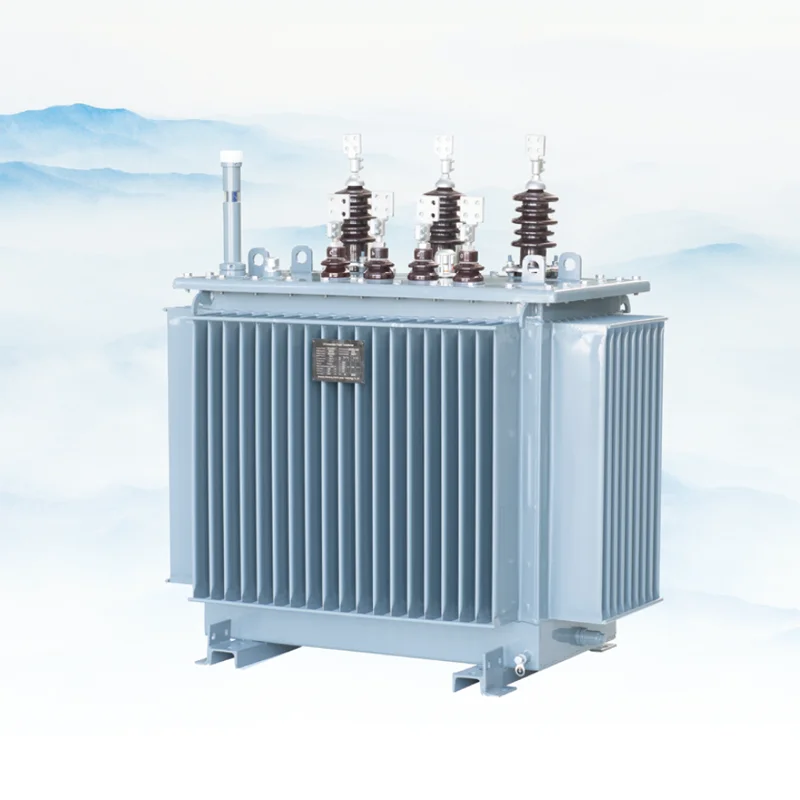
An oil‑immersed power transformers uses mineral or synthetic oil as both an insulator and a coolant. High‑voltage windings sit inside an oil‑filled tank; the oil stops the windings from arcing to each other or the tank, and it carries heat away so the transformer can run continuously at rated load.
Where you see substations, mining sites, industrial parks, or open‑air solar/wind farms, you are usually looking at oil‑immersed units. They handle medium‑ to high‑voltage applications more economically than dry‑type transformers, especially in outdoor or high‑load environments.
Two or more coils of copper or aluminum wire wrap around a laminated iron core.
One coil (primary) is connected to the incoming high‑voltage line; the other (secondary) delivers the lower or higher voltage you need.
The whole core‑and‑coil assembly sits in a sealed tank filled with transformer‑grade oil.
Oil prevents electrical breakdown, absorbs heat, and lets the unit pull more load without overheating.
Nothing glamorous, but this basic design is what keeps factories, grids, and data centers powered 24/7.
Where oil‑immersed power transformers are actually used
If your project involves any of these, an oil‑immersed power transformer is usually the go‑to option:
Utility substations and distribution networks: stepping down transmission‑level voltages (11 kV, 33 kV, even higher) to feed neighborhoods and industrial zones.
Industrial plants and factories: running heavy machinery, motors, and process lines where continuous, robust power is non‑negotiable.
Renewable energy stations: solar farms and wind‑park interconnection transformers that connect generation to the grid.
Mining and remote sites: dusty, humid, or corrosive environments where a sealed, outdoor‑rated, oil‑cooled unit holds up better than an air‑cooled dry‑type.
If you are sizing a transformer for one of these, you can already cross “indoor switchgear room” off the short list and focus on oil‑immersed power transformers suited to outdoor or semi‑outdoor installation.
Oil‑immersed vs dry‑type: when to pick which
Choosing between an oil‑immersed and a dry‑type transformer is not just about price at the dock; it is about risk, space, and long‑term cost of ownership.
Key differences
Aspect
Oil‑immersed power transformer
Dry‑type transformer
Environment
Outdoor, harsh, or open‑air sites
Indoor, people‑occupied spaces
Cooling & overload
Better cooling; strong overload capability (≈150% for 2h)
Limited cooling; stricter loading limits
Fire safety
Requires oil containment and fire barriers outdoors
Safer indoors; no oil spill risk
Initial cost
Lower per kVA for similar rating
Higher per kVA, especially for large units
Maintenance
Periodic oil testing, leak checks, conservator care
Less fluid‑related work, more focus on air cooling
Typical applications
Substations, industrial plants, solar/wind farms
Office buildings, data centers, hospitals, malls
For most B‑to‑B buyers, the rule of thumb is:
Outdoor, high‑load, or remote site → oil‑immersed power transformer.
Indoor, human‑occupied building → dry‑type, unless you have special reasons to tolerate oil.
How to choose the right oil‑immersed power transformer (not just “the cheapest”)
You do not buy a transformer the way you grab a PCB terminal block off the shelf. You select it like an engine for a vehicle: power, efficiency, and long‑term reliability matter just as much as the sticker price.
1. Size it by load, not nameplate
You want to match your connected load plus a safety margin, not simply “1000 kVA because one of my competitors has it.”
Good practice:
Calculate your total load in kVA using actual operating data or load‑flow software.
Add 15–25% margin for future expansion and peak demand.
If your real load is 750 kVA, a 1000 kVA unit is usually a sensible choice; a 630 kVA transformer will be overloaded on peaks, while a 2000 kVA unit will run inefficiently at light load.
2. Set the right voltage and connection group
Most oil‑immersed power transformers are three‑phase, with primary voltages like 11 kV, 33 kV, or 110 kV and secondary voltages around 0.4 kV, 6.6 kV, or 11 kV.
You must match:
Incoming supply voltage and frequency (50 Hz or 60 Hz).
Desired output voltage for your switchgear or motors.
Connection group (for example Dyn11, Yyn0) so the transformer phasor relationship matches your network protection settings.
A mismatch here can cause protection relays to trip, neutral current issues, and even equipment damage.
3. Decide on efficiency and losses
Energy losses (no‑load and load losses) are where an oil‑immersed power transformer quietly eats your OPEX. A slightly more expensive, high‑efficiency model can pay back the extra cost in energy savings over a few years.
When you talk to us, say:
“I care about DOE‑2016‑equivalent or IEC‑class efficiency, not just initial price.”
“What are the no‑load and load losses at 100% and 50% load?”
This turns the conversation from a shopping list into a total‑cost‑of‑ownership discussion.
4. Check standards and certifications
Your transformer will live for 20–40 years; it should comply with recognized standards. Look for:
IEC/IEEE/ANSI ratings for voltage, insulation level (BIL), and short‑circuit withstand.
Local grid or utility‑specific requirements (UL, CSA, GB, etc., depending on your country).
If your project is for a regulated network or a foreign utility, mention that in your RFQ; we can tailor the design and test documentation to match their criteria.
Learn what an oil‑immersed power transformer really does, how to choose the right one, and what to expect in terms of cost for your project.
Typical oil‑immersed power transformer cost ranges
“Cost” is a loaded word. You really need three numbers:
Ex‑works or factory price.
Total delivered cost (including shipping, insurance, and duties).
Lifetime operating cost (losses × energy price × hours).
Rough price brackets (all‑in, ballpark)
Rating band (kVA/MVA)
Typical ex‑works range (USD)
Notes
30–100 kVA
$200–$1,000
Small distribution units, basic designs
100–500 kVA
$1,000–$4,000
Medium industrial and commercial sites
630–1250 kVA
$5,000–$15,000
Common industrial transformer size
1000 kVA (standard)
$8,000–$25,000+
Price depends on copper vs aluminum, efficiency, and accessories
10–20 MVA range
$150,000–$450,000
Large substation‑grade units
If someone quotes you “$6,000 for a 1000 kVA outdoor oil‑immersed power transformer” and you are not in a low‑cost sourcing region with basic specs, you should ask:
Is this copper or aluminum winding?
Is it IEC‑compliant with proper test reports?
Are bushings, tap‑changer, and protection devices included?
On the other hand, a premium‑brand‑equivalent 1000 kVA unit landing at $25,000+ can easily be justified if it saves you tens of thousands in losses over 20 years.
How to actually connect and install an oil‑immersed transformer
“Buying” is only half the job. If you size it right but connect it wrong, you can still have repeated trips, overheating, or warranty issues. Here is what experienced B‑to‑B buyers should care about.
1. Basic connection sequence
For most distribution‑type oil‑immersed power transformers, the safe sequence is:
Grounding first:
Bond the transformer tank, neutral, and surge‑arrestor ground to the site grounding grid.
HV connections:
Connect the high‑voltage side to the incoming line, usually via disconnect switches or ring‑main units.
LV connections:
Connect the low‑voltage side to your main distribution panel or bus.
Skimping on grounding or using undersized cables is how you get floating neutrals and stray voltages that slowly fry sensitive equipment.
2. Tap‑changer and protection
Many oil‑immersed units have either off‑load tap‑changers (OLTC) or fixed‑tap designs. If your incoming voltage swings a lot, you may want an on‑load tap‑changer that can adjust the turns ratio without stopping the load.
Ask about:
Tap‑range (for example ±2×2.5%) and how it helps you cope with grid voltage variation.
Whether the gas relay and oil pressure relay are wired into your protection scheme so a serious internal fault trips the upstream breaker.
If you send us a one‑line diagram, we can suggest tap‑range and protection settings that match your project, instead of handing you a generic unit.
3. Oil filling and first‑fill checks
After installation, before energizing, you must confirm the oil quality and level.
Typical good‑practice steps:
Fill the tank and conservator with the correct type of transformer oil (mineral, inhibited, or biodegradable as specified).
Let the unit sit for 12–24 hours, then take an oil sample and test for dielectric strength and moisture.
Perform insulation‑resistance and winding‑resistance tests before closing the breaker.
If you skip these, you run the risk of moisture‑related failures that show up months later under load.
Practical buying tips: how to pick “which model”
Instead of “which brand,” ask: “Which configuration fits my project?”
What to look for in a spec sheet
When you compare oil‑immersed power transformers, focus on these fields:
Parameter
Why it matters
Voltage ratings (HV/LV)
Must match your network and equipment
kVA/MVA rating
Dictates maximum continuous load
Vector group (Dyn11, Yyn0)
Affects zero‑sequence and protection settings
No‑load loss & load loss
Drives long‑term energy cost
Impedance (%Z)
Influences short‑circuit current and protection
Cooling method (ONAN, ONAF)
Affects overload and ambient limits
Standards and certificates
Needed for grid interconnection and warranties
If you dump a spec sheet on your desk and do not see no‑load and load losses, ask for them. If the impedance is not stated, push for it.
Constant industrial load vs. highly variable load?
What standards apply?
Local utility code, IEC, ANSI, or internal company standard?
What is your budget window?
Ex‑works only, or delivered‑and‑commissioned?
Once you answer these, you can narrow to a short list of models rather than being “sold the most expensive one.”
If you tell us your project voltage, load, and location, we can propose 2–3 suitable oil‑immersed transformer models and explain why each one makes sense.
Oil‑immersed power transformer maintenance reality
You did not buy a transformer to watch it every day. But you also should not forget about it until it fails.
Typical maintenance cycle
For a standard oil‑immersed power transformer, many utilities and industrial users follow:
Annually: oil‑dielectric‑strength and moisture‑content tests.
Every 3–5 years: comprehensive testing and potential oil replacement.
If you want a low‑maintenance profile, look for:
Fully sealed tanks and conservator designs.
Biodegradable or high‑stability insulating fluids.
If you send us your load profile, voltage scheme, and site photos, we can draft a short list of suitable models and an approximate budget so you can move from “shopping” to “sizing and ordering.”
What is an oil‑immersed power transformer used for?
It steps voltage up or down for power transmission and distribution, mainly in outdoor, industrial, substation, and renewable‑energy applications. It uses oil for insulation and cooling so it can handle higher loads and live longer than many dry‑type alternatives.
Why is an oil‑immersed transformer cheaper than a dry‑type?
Oil is a better insulator and coolant than air, so you can build a more compact, high‑capacity unit with less exotic materials. Dry‑type designs need more copper, better insulation systems, and often forced cooling, which pushes the price up per kVA.
Is an oil‑immersed transformer safe?
It is safe when installed correctly and with proper containment. Oil‑immersed units must sit in bunded areas or concrete pits, and they usually need fire‑barrier distances from buildings. In indoor or people‑dense spaces, dry‑type transformers are preferred.
How much does a 1000 kVA oil‑immersed power transformer cost?
In 2026, a standard 1000 kVA three‑phase outdoor oil‑immersed power transformer typically runs roughly from $8,000 to $25,000 USD ex‑works, depending on copper vs aluminum, efficiency, standards, and accessories.
How do I choose the right oil‑immersed transformer for my project?
Start with load, voltage, and environment, then pick: Rating and vector group that match your network. Efficiency class that fits your energy‑cost sensitivity. Standards and certifications required by your local grid or client.
A step down power transformer is a static electrical device that converts a higher input voltage into a lower output voltage for safe distribution and use.
A power transformer is a static electrical device that transfers alternating-current power between two or more circuits at different voltage levels through electromagnetic induction.
Every component serves a specific electrical, magnetic, or thermal function. Together they transfer thousands of kilovolt-amperes from one voltage level to another, silently and continuously, often for decades.