


Description
CKJ20 at a Glance
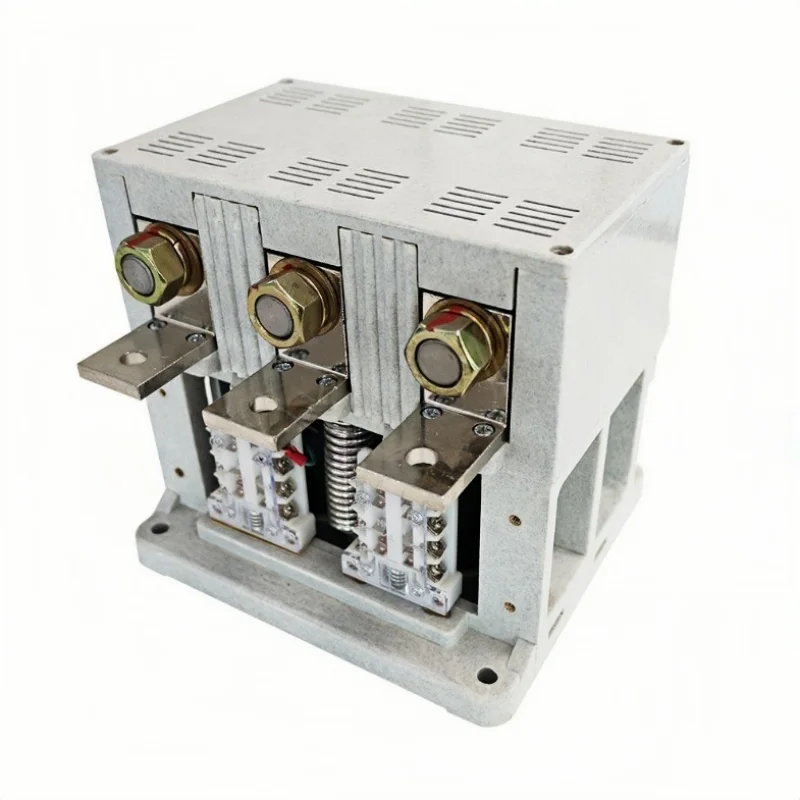
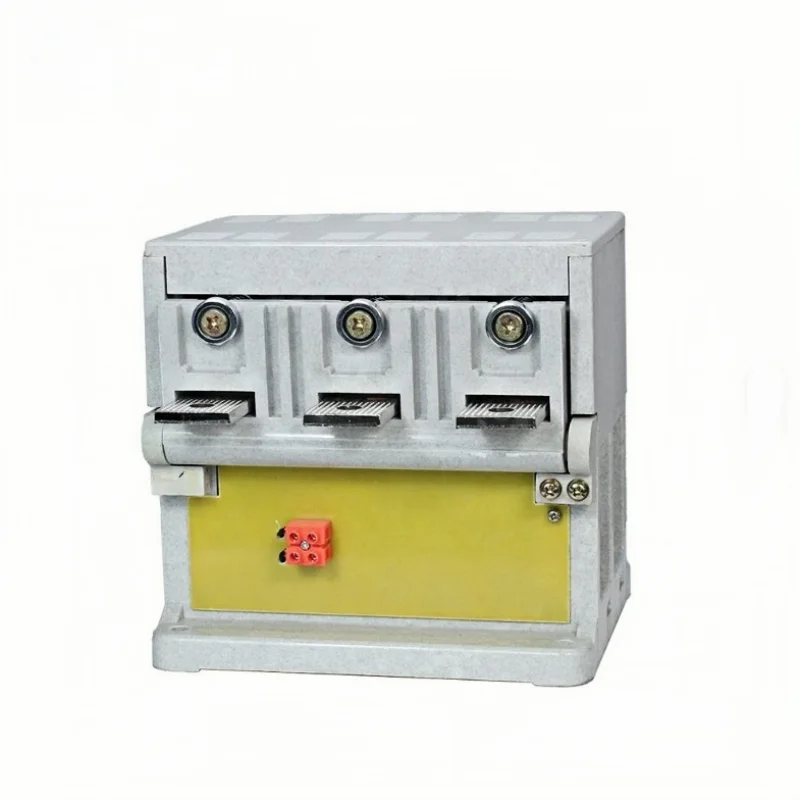
The CKJ20 AC vacuum contactor is a low-voltage vacuum switching unit for 660 V and 1,140 V mining and heavy-industrial networks, covering 250 A to 800 A. The published ratings on this page are for the 630 A and 800 A frames, which are the two sizes most commonly used in mill and mine motor control.
Three figures separate the CKJ20 AC vacuum contactor from a general-purpose device: three million mechanical operations, an AC-3 operating frequency of 600 operations per hour, and a making capacity of ten times rated current for 100 operations. Those numbers describe a device built to be switched constantly, not occasionally.
Reading the CKJ20 Designation
| Element | Meaning | What it decides |
|---|---|---|
| C | Contactor (接触器) | Frequent switching device |
| K | Vacuum arc-quenching | Sealed vacuum interrupter, no arc chute |
| J | Improved design sequence | Distinguishes it from the older CKJ5 frame |
| 20 | Design number | Frame family |
| 630 / 800 | Rated current in amps | The load the unit switches continuously |
| /1140 | Rated voltage in volts | 1,140 V class, used at 660 V as well |
Ratings: 630 A and 800 A Frames
| Parameter | CKJ20-630/1140 | CKJ20-800/1140 |
|---|---|---|
| Main-circuit rated voltage | 1,140 V | 1,140 V |
| Main-circuit rated current | 630 A | 800 A |
| Making capacity, 10 operations | 6,000 A | 8,000 A |
| Breaking capacity, 10 operations | 4,800 A | 6,400 A |
| Maximum breaking capacity, 3 operations | 6,000 A | 7,500 A |
| Electrical life, AC-3 | 600,000 operations | 600,000 operations |
| Electrical life, AC-4 | 60,000 operations | 60,000 operations |
| Mechanical life | 3,000,000 operations | 3,000,000 operations |
| Operating frequency, AC-3 | 600 ops/hour | 600 ops/hour |
| Operating frequency, AC-4 | 120 ops/hour | 120 ops/hour |
| Short-time operating frequency, 20 s | 2,000 ops/hour | 2,000 ops/hour |
| Contact gap | 2.5 ± 0.3 mm | 2.5 ± 0.3 mm |
| Overtravel | ≥ 1 mm | ≥ 1 mm |
The frame is used on both 660 V and 1,140 V systems; the insulation is rated for the higher class, so the same unit serves either. Confirm the operating voltage with the quotation, because the control coil and the auxiliary contacts are specified against it.
Three Different Current Figures
On the 630 A frame the datasheet lists 6,000 A, 4,800 A and 6,000 A, and buyers regularly read them as inconsistent. They are three different tests.
- Making capacity, 6,000 A is what the unit can close onto. It is the largest of the three because closing produces the highest electromagnetic force on the contacts.
- Breaking capacity, 4,800 A is what it can interrupt repeatedly, quoted for 10 operations. Breaking is harder on the interrupter than making, so the figure is lower.
- Maximum breaking capacity, 6,000 A is the single-event ceiling, quoted for 3 operations. Beyond that count the interrupter is spent.
Sizing on the breaking figure rather than the making figure is the usual error. A motor with a 5,500 A start current needs the making check first: at 630 A the frame closes onto 6,000 A, so it fits, but with only 500 A of margin. The 800 A frame at 8,000 A is the safer answer for that motor.
Three Million Mechanical Operations
The CKJ20 AC vacuum contactor is rated at three million mechanical operations, three to six times the figure on a medium-voltage contactor. The number is not marketing: it reflects a low-voltage design with a 2.5 mm contact gap and a light mechanism, where the moving mass is small and the closing impact is modest.
It matters in mining and mill duty because the operating frequency is high. A conveyor that starts and stops 200 times a day uses 73,000 operations a year, so three million operations is over forty years of mechanical life. At that point the electrical life and the interrupter condition decide replacement, not the mechanism.
AC-3 and AC-4 in Mining Duty
The gap between the two life figures is a factor of ten, and mining applications often sit on the AC-4 side without anyone noticing.
- AC-3, 600,000 operations covers squirrel-cage motors switched while running: make at six times rated current, break at rated current.
- AC-4, 60,000 operations covers plugging, inching and reversing, where the contactor breaks the starting current. Belt conveyors that are inched for maintenance, and hoists that reverse under load, fall into this category.
If the duty is reversing or inching, specify against AC-4. A unit sized on AC-3 will reach its electrical limit ten times sooner than the datasheet suggests, and in a mine that usually shows up as a mid-shift failure rather than a planned replacement.
Operating Frequency and Duty Cycle
The three frequency figures of the CKJ20 AC vacuum contactor describe three different working patterns, and only one of them is a continuous rating.
600 operations per hour at AC-3 is the continuous figure for normal motor switching. 120 operations per hour at AC-4 is lower because each operation costs more interrupter life. The 2,000 operations per hour figure is a short-time rating limited to a 20-second burst, used for a rapid sequence such as a reclose attempt, not for sustained duty.
If your panel is designed for a sequence that runs faster than 600 operations per hour continuously, state the cycle. The limit is thermal: the coil and the interrupter need time to shed heat between operations.
Mining and Heavy Industry Applications
- Belt conveyors and crushers, where starting current is high and starts are frequent.
- Pump and fan drives in mill and preparation plant circuits.
- Hoists and winches, which fall under AC-4 duty when reversing under load.
- Replacement of older air-break contactors in existing mining panels, where the frame is used as a direct substitute without changing the cubicle layout.
The low-voltage vacuum design is what makes the replacement practical: no arc chute to clean, no contact tips to dress, and a much longer interval between services in a dusty environment.
Contact Gap and Maintenance Adjustment
On the CKJ20 AC vacuum contactor the contact gap is 2.5 ± 0.3 mm with overtravel of at least 1 mm. Both are small numbers and both are critical: the gap sets the dielectric recovery after interruption, and the overtravel maintains contact pressure as the tips wear.
When the overtravel approaches its lower limit, the tips are worn and the interrupter needs replacing rather than adjusting. Checking overtravel at each service interval is the single most useful maintenance action on this frame, because it gives warning before the contacts weld.

When a Different Contactor Fits Better
- Medium-voltage 7.2 kV duty. The CKG3 7.2 kV vacuum contactor covers that class with a 32 kV withstand.
- 12 kV duty with higher switching current. See the CKG3 12 kV vacuum contactor.
- Load switching without frequent operation. A load break switch such as the VZF(R) switch-fuse combination is cheaper where the circuit is not switched often.
The full range sits under vacuum contactor series.
Service Conditions and Tests
Indoor installation in a dust-tight enclosure, with ambient and humidity limits confirmed against the panel design. In mining applications the enclosure rating usually governs the environment rather than the contactor itself.
Routine tests on every unit cover power-frequency withstand, main-circuit resistance, contact gap and overtravel against the published tolerances, and a mechanical operation check.
Manufacturer Supply, OEM and Wholesale
The CKJ20 AC vacuum contactor is supplied direct. Panel builders and mining equipment integrators order against a frozen coil voltage and auxiliary contact specification under OEM or private-label marking; distributors hold a standing specification for repeat supply; project buyers receive test reports and outline drawings for approval.
Price, MOQ and Lead Time
- MOQ. Single units for standard configurations. Custom coil voltages and private-label marking carry a higher minimum.
- Price drivers. Current rating, coil voltage, auxiliary contact count and quantity.
- Lead time. Confirmed against the production schedule at order.
- Payment. Deposit with balance against the bill of lading copy; letter of credit for project quantities.
What to Send With Your Inquiry
- System voltage: 660 V or 1,140 V
- Required continuous current and the largest motor rating
- Duty category: AC-3, or AC-4 for reversing and inching
- Expected operations per hour
- Control-circuit voltage
- Auxiliary contact requirement
- Quantity, destination port and required delivery date
Send those through the quote form on this page. The duty category and the operating frequency together decide whether this frame or the next size up is the right answer.
FAQ
Which current ratings are published?
What is the difference between 6,000 A, 4,800 A and 6,000 A on the 630 A frame?
Why is the mechanical life three million operations?
When should I specify AC-4 instead of AC-3?
Is the 2,000 operations per hour figure continuous?
What is the MOQ?
Request Quote
Tell us your specifications, quantity, or application scenario and we will reply with a tailored quote.