30kV Oil Immersed Transformer for Substation Project
Published: Author: Lisa
A 30kV oil immersed transformer is not a product you should evaluate by voltage class alone. If the specification is incomplete or the application is misunderstood, you can end up with the wrong cooling arrangement, the wrong enclosure structure, avoidable loss costs, or a transformer that does not match the actual project environment. This article will help you understand where a 30kV oil immersed transformer fits, which specifications matter most, and how to narrow down the right configuration for substation, outdoor, and solar farm projects.
What Is a 30kV Oil Immersed Transformer?
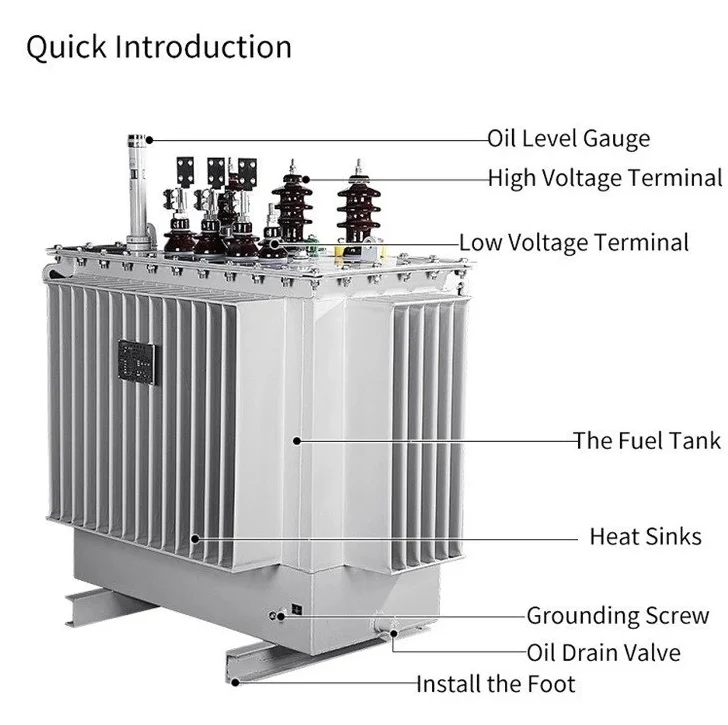
A 30kV oil immersed transformer is generally used in medium-voltage distribution systems where insulation oil serves both cooling and insulation functions. In B2B search and procurement contexts, this keyword often overlaps with terms such as distribution transformer, power transformer, and substation transformer, which is why buyers need to confirm the actual project role before comparing suppliers or prices.
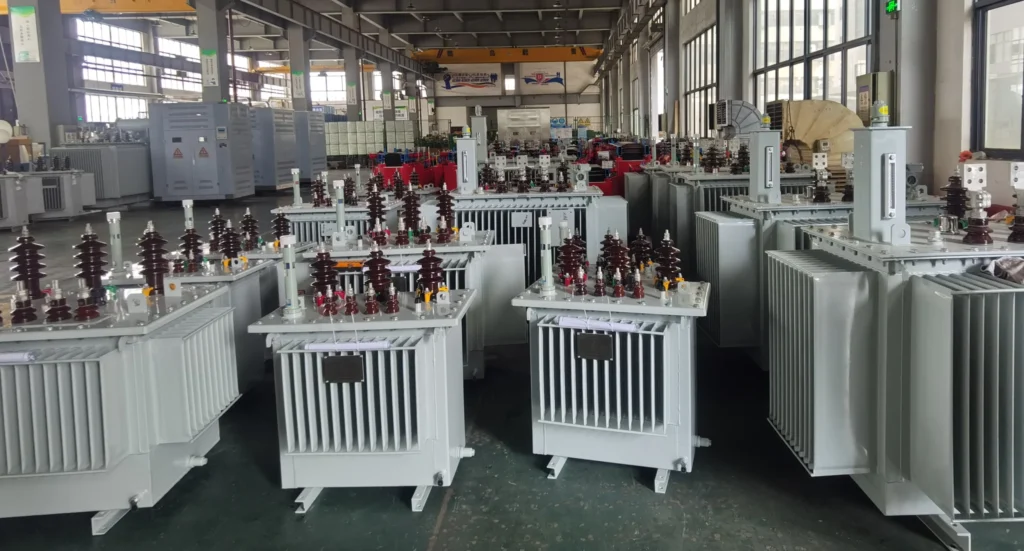
In practice, the term does not always describe one fixed design. A buyer may be looking for a three phase oil immersed transformer for outdoor installation, a low loss oil immersed transformer for long operating hours, or a hermetically sealed oil immersed transformer for reduced exposure to ambient moisture and lower maintenance complexity.
Related transformer terms
Term
What it usually means
What buyers should confirm
30kV oil immersed transformer
A transformer built for a 30kV class application using insulating oil
Whether the project needs distribution duty, substation use, or a more specific power transformer configuration
Oil immersed transformer for substation
A transformer selected around substation voltage matching and system integration
Upstream/downstream voltage, load profile, and installation arrangement
Three phase oil immersed transformer
A transformer intended for three-phase power systems
Capacity, frequency, load type, and connection details
Outdoor oil immersed transformer
A transformer expected to operate in exposed site conditions
Ambient temperature, enclosure details, installation location, and maintenance access
Hermetically sealed oil immersed transformer
A sealed structure intended to limit contact between oil and outside air
Whether lower maintenance and environmental sealing are priorities
Which Specifications Matter Most 30kV Oil Immersed Transformer?
The phrase oil immersed transformer specification matters because many quotation problems start before the quotation itself. When a buyer sends only voltage and capacity, the supplier still does not know enough about installation environment, loss target, sealing method, site temperature, IEC transformer standards, or whether the transformer is for replacement, export, or a new project.
The most useful approach is to review specification items as decision points, not as a checklist you copy from a catalog.
Core parameters to confirm
Specification item
Why it matters
Common mistake
What it affects
Rated voltage
Defines system compatibility
Assuming 30kV alone is enough
Basic project fit
Capacity
Determines loading range
Using estimated load without margin review
Sizing and thermal performance
Phase
Confirms system type
Forgetting to state three phase requirement
Application suitability
Frequency
Must match the destination grid
Not confirming export market frequency
Compliance and usability
Cooling and structure
Affects temperature rise and maintenance
Treating all oil immersed designs as the same
Operating reliability and servicing
Loss level
Impacts long-term operating cost
Looking only at purchase price
Total lifecycle cost
Installation condition
Defines whether outdoor exposure is acceptable
Ignoring dust, heat, altitude, or enclosure needs
Real site compatibility
Sealing method
Influences oil preservation and maintenance
Not distinguishing sealed vs other structures
Maintenance plan and project preference
Whether you are sourcing an oil immersed transformer for industrial plant applications or building a complete substation solution, Kampa Electric can support technical selection, specification matching, and export supply.
Three phase, outdoor, low loss, and sealed design
A three phase oil immersed transformer is usually the expected direction for industrial distribution, utility-side allocation, and project installations where balanced three-phase power is required. That sounds obvious, but in real procurement work, buyers still need to confirm the actual load structure, expected expansion, and whether the unit is part of a new build or retrofit.
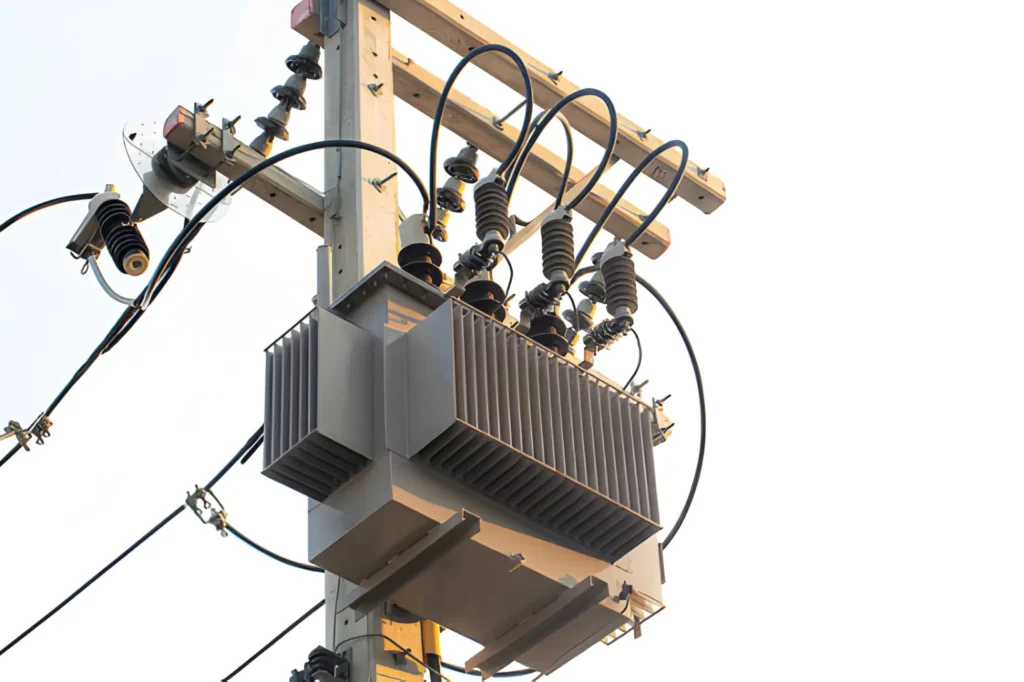
An outdoor oil immersed transformer should never be selected only because the product can technically be installed outside. The real question is whether the enclosure, sealing structure, ambient temperature allowance, and maintenance arrangement fit the site, especially in solar farm, roadside infrastructure, plant yard, or exposed substation conditions.
A low loss oil immersed transformer usually deserves more attention when the transformer will operate continuously and energy cost matters over time. A lower initial price may look attractive during supplier comparison, but if the project is designed for long service hours, the operating loss profile can be just as important as the equipment price.
A hermetically sealed oil immersed transformer is often considered when the buyer wants better protection against outside air and moisture interaction with the insulating oil. It is not automatically the best choice for every project, but it becomes more relevant when maintenance access is limited or the site environment makes oil preservation more sensitive.
Where Is a 30kV Oil Immersed Transformer Used?
The application context changes the selection logic. A transformer that makes sense for a compact substation project may not be the best fit for a solar farm, and a configuration that works in a controlled utility yard may not be ideal for a dust-exposed industrial site. For details, please refer to our industrial product application solutions.
For substation projects
An oil immersed transformer for substation use is usually selected around voltage matching, site layout, load behavior, and long-term system coordination. In this type of project, buyers should look beyond nameplate values and confirm how the transformer fits into the incoming and outgoing distribution architecture.
This is also where terminology starts to matter. Some buyers search for a 30kV oil immersed transformer, but what they really need is a unit aligned with a broader substation transformer requirement, including installation arrangement, connection method, and expected operating profile.
For solar farm projects
An oil immersed transformer for solar farm use is typically judged not only by voltage and capacity, but also by outdoor exposure, energy loss expectations, and maintenance practicality. In solar projects, a low loss design can carry more weight because the operating model is tied closely to energy output and lifetime cost control.
The outdoor requirement also needs more than a simple “yes” or “no.” Buyers should check site temperature range, enclosure design, sealing approach, and how the transformer will be inspected after installation, especially when access is less convenient than in a conventional utility yard.
For industrial outdoor distribution
A 30kV outdoor oil immersed transformer can also be used in manufacturing plants, processing sites, mining operations, or infrastructure projects where medium-voltage distribution must be handled outside the building envelope. In these cases, the transformer has to match both the electrical demand and the physical environment.
That is why procurement teams should confirm more than the headline rating. Dust, ambient heat, local maintenance conditions, and installation clearance can all influence whether a standard configuration is enough or whether a more project-specific arrangement is needed.
How to Choose the Right 30kV Oil Immersed Transformer Configuration
The best selection path is usually not “find the cheapest 30kV oil immersed transformer for sale.” It is “define the project condition clearly enough that you can compare standard supply, custom options, and supplier capability on the same basis.”
For B2B buyers, especially procurement teams, distributors, wholesalers, exporters, OEM partners, and project contractors, that means asking a practical question first: is this a standard requirement or a project-defined requirement?
Standard model vs custom requirement
A standard model may be enough when the installation conditions are typical, the voltage and capacity are straightforward, and the project does not impose unusual environmental or interface constraints. This is often the faster route for routine procurement and can simplify price comparison across manufacturers, suppliers, and factories.
A custom direction makes more sense when the project includes non-standard site conditions, stricter loss targets, special interface requirements, export market constraints, or buyer-side preferences such as OEM, ODM, private label, or project packaging. In those cases, trying to force a standard transformer into the project can create more cost later in installation or operation than it saves at the quotation stage.
Buyer decision table
Buyer situation
Better path
Why
Routine replacement with clear specs
Standard model
Faster comparison and simpler procurement
New project with defined site conditions
Specification-based selection
Reduces mismatch risk
Solar farm with operating cost focus
Low loss review
Better long-term cost logic
Outdoor site with limited maintenance access
Sealed structure review
Helps evaluate maintenance and oil protection needs
Export, wholesale, or branded supply
OEM/ODM or project discussion
Supports market-specific procurement requirements
Before requesting a final quote, it also helps to review a relevant oil immersed transformer product page in context rather than treating it as a catalog shortcut. That is usually the better moment to compare structure, specification direction, and whether a standard distribution-focused option is enough or whether the project should move toward a broader category review through the manufacturer, supplier, exporter, or factory team.
Common Selection Mistakes
Many 30kV Oil Immersed Transformer buying mistakes happen because the search starts with a product keyword but ends with a project decision. If the buyer never bridges that gap, the shortlist may look correct on paper but still be wrong for the site.
Frequent mistakes and better checks
Mistake
What can go wrong
Better approach
Focusing only on price
Lower purchase cost but weaker project fit
Compare price only after confirming key specs
Treating all oil immersed transformers as equivalent
Wrong structure or application mismatch
Distinguish distribution, substation, and project role
Ignoring outdoor conditions
Environmental stress after installation
Review temperature, sealing, exposure, and access
Overlooking loss level
Higher operating cost over time
Check low loss requirements early
Not confirming sealing type
Maintenance plan may not match site reality
Compare sealed and non-sealed structures by use case
Sending incomplete RFQ data
Inaccurate quotation and slower selection
Confirm core specs, site conditions, and destination standards
A useful rule is this: if the specification cannot explain where the transformer will be used, the supplier comparison is probably still too early. Good procurement decisions come from matching the transformer to the project, not from comparing disconnected product names.
If you are evaluating a 30kVOil immersed Power Transformers, the strongest buying decision usually comes from three checks: define the actual application, confirm the missing specification details, and then compare standard versus project-based configuration. That sequence gives you a much better basis for comparing manufacturers, suppliers, companies, distributors, wholesalers, exporters, pricing, and customization options without turning the process into guesswork.
For procurement, bulk order, private label, or export-oriented sourcing, the most useful next step is not simply asking who has the lowest price. It is narrowing the technical requirement first, then using that requirement to compare factory capability, OEM or ODM support, and whether the proposed transformer really fits the installation environment and operating target.
FAQ
What is a 30kV oil immersed transformer used for?
It is typically used in medium-voltage distribution applications where oil provides insulation and cooling. Common use cases include substations, industrial outdoor distribution, renewable energy projects, and system expansion work.
Is a 30kV oil immersed transformer suitable for a solar farm?
Yes, it can be suitable for solar farm use when the electrical rating, outdoor design, loss profile, and maintenance conditions match the project. Buyers should pay particular attention to outdoor exposure and long-term operating cost.
When should I choose a hermetically sealed oil immersed transformer?
It is worth considering when you want better isolation from outside air and moisture, especially in projects where maintenance access is limited or oil preservation is a higher concern. It should still be evaluated against the actual project environment rather than chosen by label alone.
What should I confirm before asking for a quotation?
At minimum, confirm rated voltage, capacity, frequency, phase, installation condition, loss expectations, sealing preference, and destination market requirements. A quotation based only on voltage and kVA is usually not detailed enough for accurate comparison.
How do buyers compare suppliers beyond price?
A better comparison includes specification clarity, project matching ability, export communication, customization support, and whether the company can handle OEM, ODM, bulk procurement, or distributor requirements. Price matters, but only after the technical basis is aligned.
Is three phase always the right choice?
Three phase is common for industrial and distribution use, but it should still match the actual system design and load condition. Buyers should confirm the network structure instead of assuming the standard answer applies in every case.