
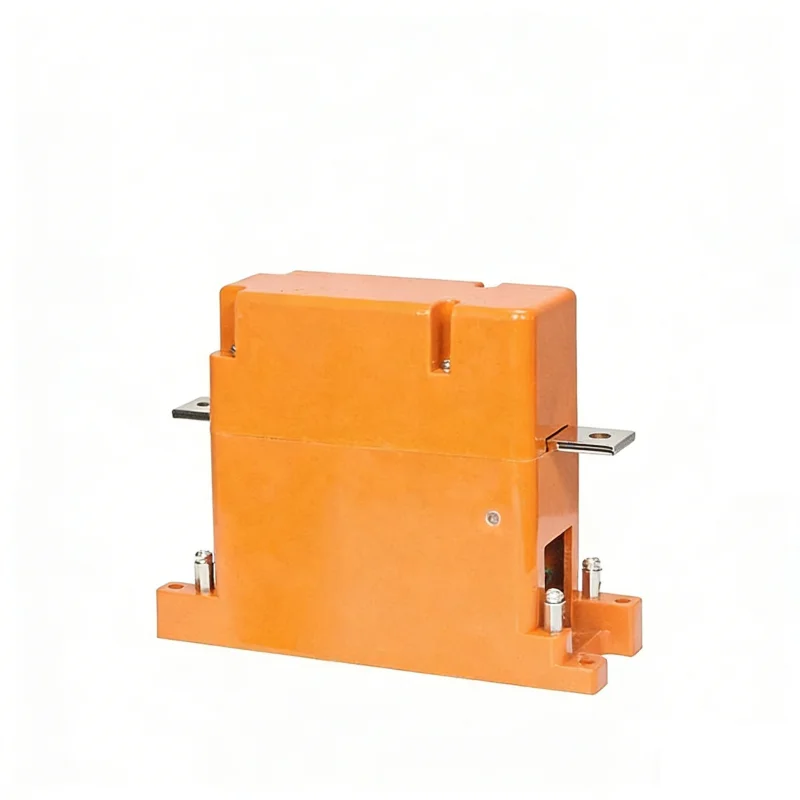
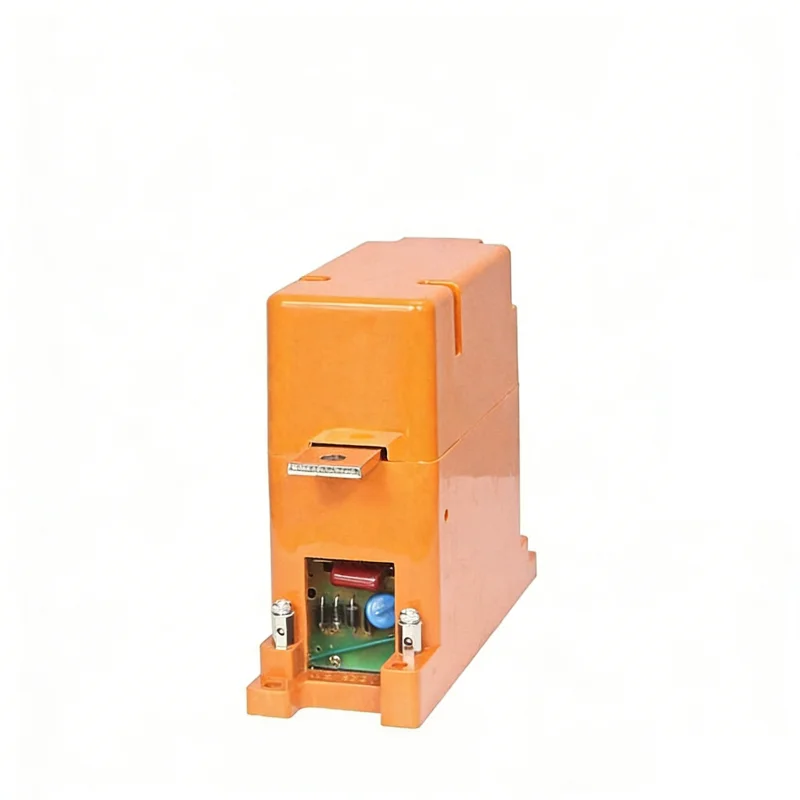
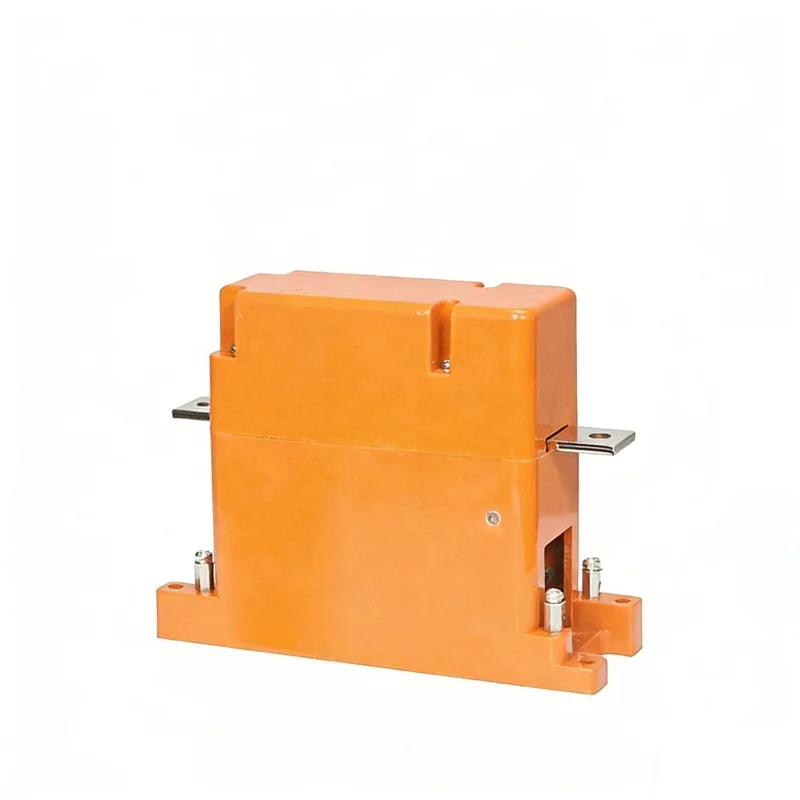
Description
GKJ5 Single-Phase at a Glance
The GKJ5 single-phase vacuum contactor is a 1.14 kV vertical low-voltage switching unit for single-phase circuits in mining and heavy industrial panels. Its four current figures are often confused, so they are worth stating plainly at the start: 160 A continuous, 1,250 A making, 600 A breaking, and 2,500 A limited breaking.
The GKJ5 single-phase vacuum contactor is built for a long-term working system and for intermittent periodic duty at 40 percent on-time, with a mechanical life of three million operations and an AC-4 electrical life above 60,000. That makes it a device for circuits that switch often, not for isolation duty.
The Four Current Figures
Most specification errors on this frame come from reading one of these numbers as another. They are not interchangeable.
| Figure | Value | What it means |
|---|---|---|
| Rated working current | 160 A | Continuous current the contactor carries without exceeding its limits |
| Rated making capacity | 1,250 A | Current it can close onto |
| Rated breaking capacity | 600 A | Current it interrupts in normal duty |
| Limited breaking capacity | 2,500 A | One-off ceiling, not a repeated rating |
The gap between 160 A continuous and 1,250 A making is roughly eight times, which is the margin a load needs at the instant of energisation. The gap between making and breaking — 1,250 A against 600 A — is normal for a contactor: closing is easier on the interrupter than opening.
Technical Data
| Parameter | Published value |
|---|---|
| Main-circuit rated voltage | 1,140 V, 50 Hz |
| Voltage fluctuation tolerance | Normal operation up to 15% fluctuation |
| Rated working current | 160 A |
| Contact opening distance | 2.0 (+0.2) mm |
| Contact overtravel | 1.0 (+0.2) mm |
| Rated working system | Long-term, and intermittent periodic at 40% on-time |
| Operating frequency, AC-4 | 240 operations/hour |
| Operating frequency, short time (20 s) | 2,000 operations/hour |
| Electrical life, AC-4 | Greater than 60,000 operations |
| Mechanical life | 3,000,000 operations |
The 40 percent on-time figure is the one that surprises buyers. It means that in intermittent duty the contactor is energised for 40 percent of each cycle, not that it runs at 40 percent of rated current. A cycle designed for continuous energisation falls outside the published working system.
Single-Phase Duty and Where It Applies
The GKJ5 single-phase vacuum contactor is used where the load itself is single-phase, or where a single pole of a three-phase supply must be switched independently.
- Single-phase transformers in mining distribution, where a 1,140 V single-phase feed supplies lighting or small drives.
- Resistance heating, including furnace and drying elements, where the load is single-phase even though the supply is not.
- Welding equipment and other single-phase intermittent loads.
- Individual phase switching where a control scheme requires one phase to be broken separately from the other two.
For a three-phase motor the three-phase frame, not the GKJ5 single-phase vacuum contactor, is the correct device; a single-phase unit cannot break a three-phase circuit on its own.
Contact Gap and Maintenance
The opening distance is 2.0 (+0.2) mm and the overtravel is 1.0 (+0.2) mm. Both figures are small and both are load-bearing: the gap sets the dielectric recovery after the arc is extinguished, and the overtravel maintains contact pressure as the tips erode.
When the overtravel falls to its lower limit the tips are worn and the interrupter should be replaced rather than adjusted. Checking overtravel at each service visit is the single most useful maintenance action, because it gives warning before the contacts weld closed.
Operating Environment
| Condition | Published limit |
|---|---|
| Altitude | Up to 2,000 m |
| Ambient temperature | -5 °C to +40 °C; daily average not above 30 °C |
| Relative humidity, daily average | Below 95% |
| Relative humidity, monthly average | Below 90% |
| Mounting inclination | Not more than 15° from vertical |
| Installation category | Category III, unless otherwise specified |
The atmosphere must be free of steam, corrosive gas, salt fog, conductive dust and explosive media, and the mounting surface must not be subject to regular vibration or severe shock.
The 15-degree inclination limit is a real constraint on a vertical frame: mounting it on a sloped surface beyond that angle loads the mechanism unevenly and shortens the interrupter life.
Why the Vertical Frame
The vertical arrangement puts the interrupter column upright, which is the conventional layout for a standard cubicle with full height available. It gives a straight cable path from the bottom entry to the terminals and leaves the mechanism accessible from the front.
The trade is height. Where the drawer or cubicle cannot accommodate an upright column, the horizontal frame is the alternative — our CKJ5 horizontal vacuum contactor covers that arrangement in the same low-voltage class.

When a Different Frame Fits Better
- Three-phase motor duty. The GKJ5 three-phase vertical contactor is the correct device, with the same environmental envelope.
- Shallow drawer or low-profile panel. The CKJ5 horizontal frame solves the geometry problem.
- 380 V to 660 V duty at lower current. The CKJ5 horizontal frame covers 250 A to 600 A across those voltages.
The full range sits under vacuum contactor series.
Manufacturer Supply, OEM and Wholesale
The GKJ5 single-phase vacuum contactor is supplied direct. Panel builders order against a frozen current, voltage and coil specification under OEM or private-label marking; mining equipment integrators order against a standing specification for repeat supply; project buyers receive test reports and outline drawings for approval.
Price, MOQ and Lead Time
- MOQ. Single units for standard configurations. Custom coil voltages and private-label marking carry a higher minimum.
- Price drivers. Current rating, coil voltage, auxiliary contact count and quantity.
- Lead time. Confirmed against the production schedule at order.
- Payment. Deposit with balance against the bill of lading copy; letter of credit for project quantities.
What to Send With Your Inquiry
- System voltage and frequency
- Continuous current and the load type
- Whether the duty is continuous or intermittent, and the on-time percentage
- Expected operations per hour
- Control-circuit voltage
- Manual or remote operation
- Site altitude and ambient temperature range
- Quantity, destination port and required delivery date
Send those through the quote form on this page. The on-time percentage and the operations per hour together decide whether this frame or a larger one is correct.
FAQ
Why are there four different current figures?
What does 40% on-time mean?
Is this suitable for a three-phase motor?
What is the mounting inclination limit?
Why 3 million mechanical operations?
What is the MOQ?
Request Quote
Tell us your specifications, quantity, or application scenario and we will reply with a tailored quote.