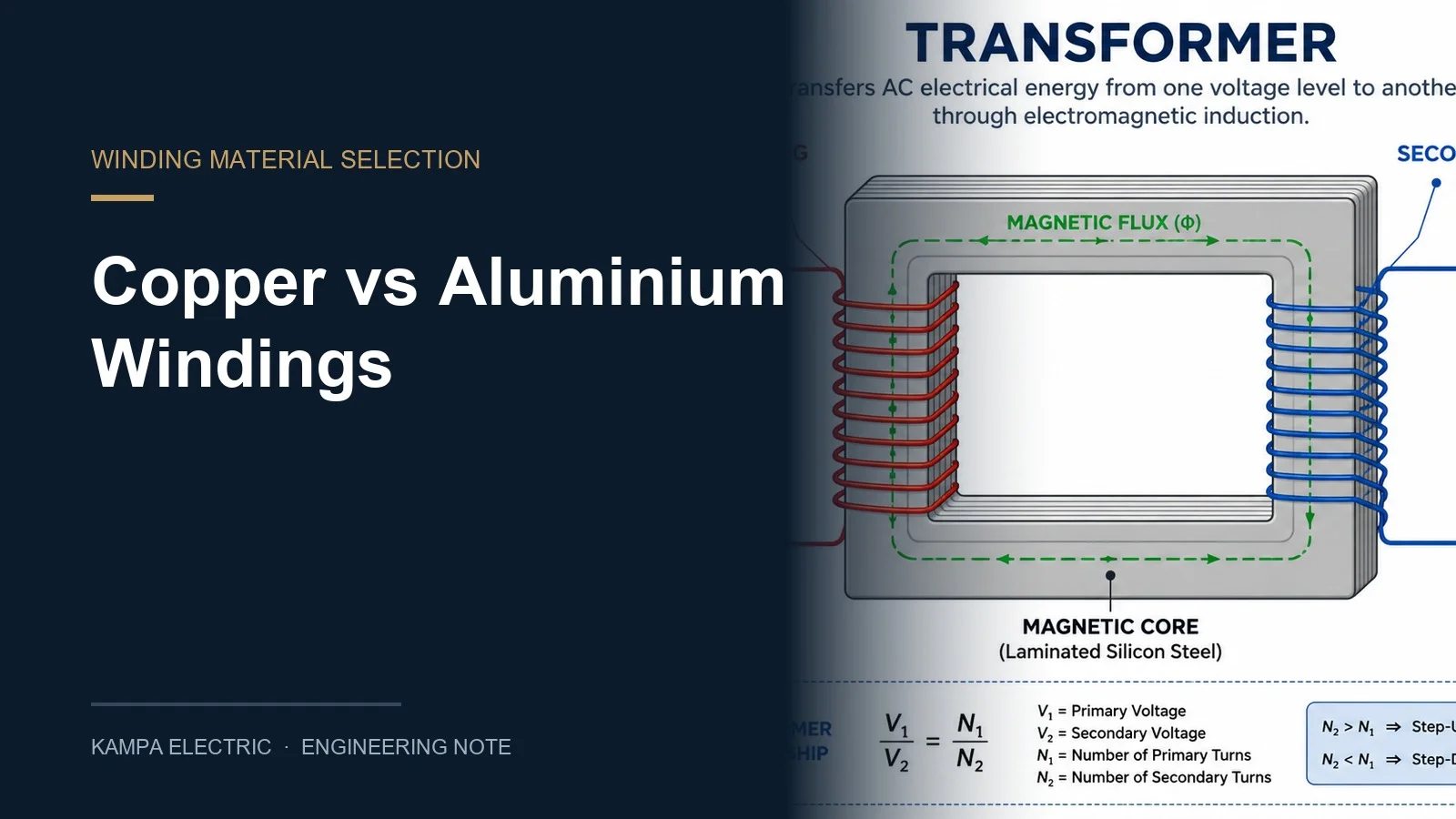
Copper vs Aluminum Winding Transformer: Cost, Losses and Service Life
Copper or aluminium windings? Compare conductor size, weight, losses, short-circuit strength, joint reliability and when the copper premium actually pays back.

Copper or aluminium windings? Compare conductor size, weight, losses, short-circuit strength, joint reliability and when the copper premium actually pays back.
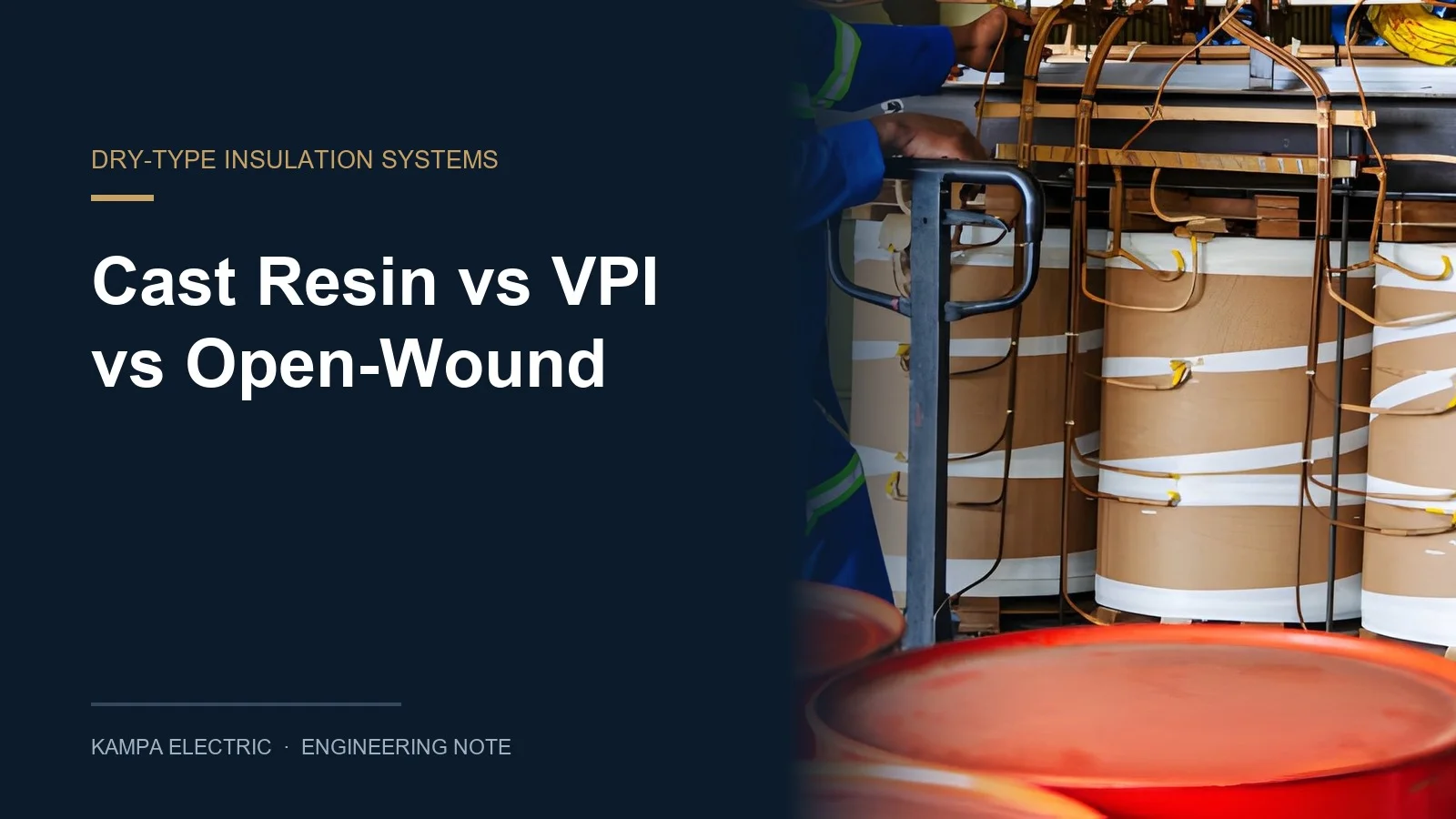
Cast resin, VPI and open-wound dry-type transformers compared on moisture immunity, IEC 60076-11 classes, short-circuit strength, repairability and cost.
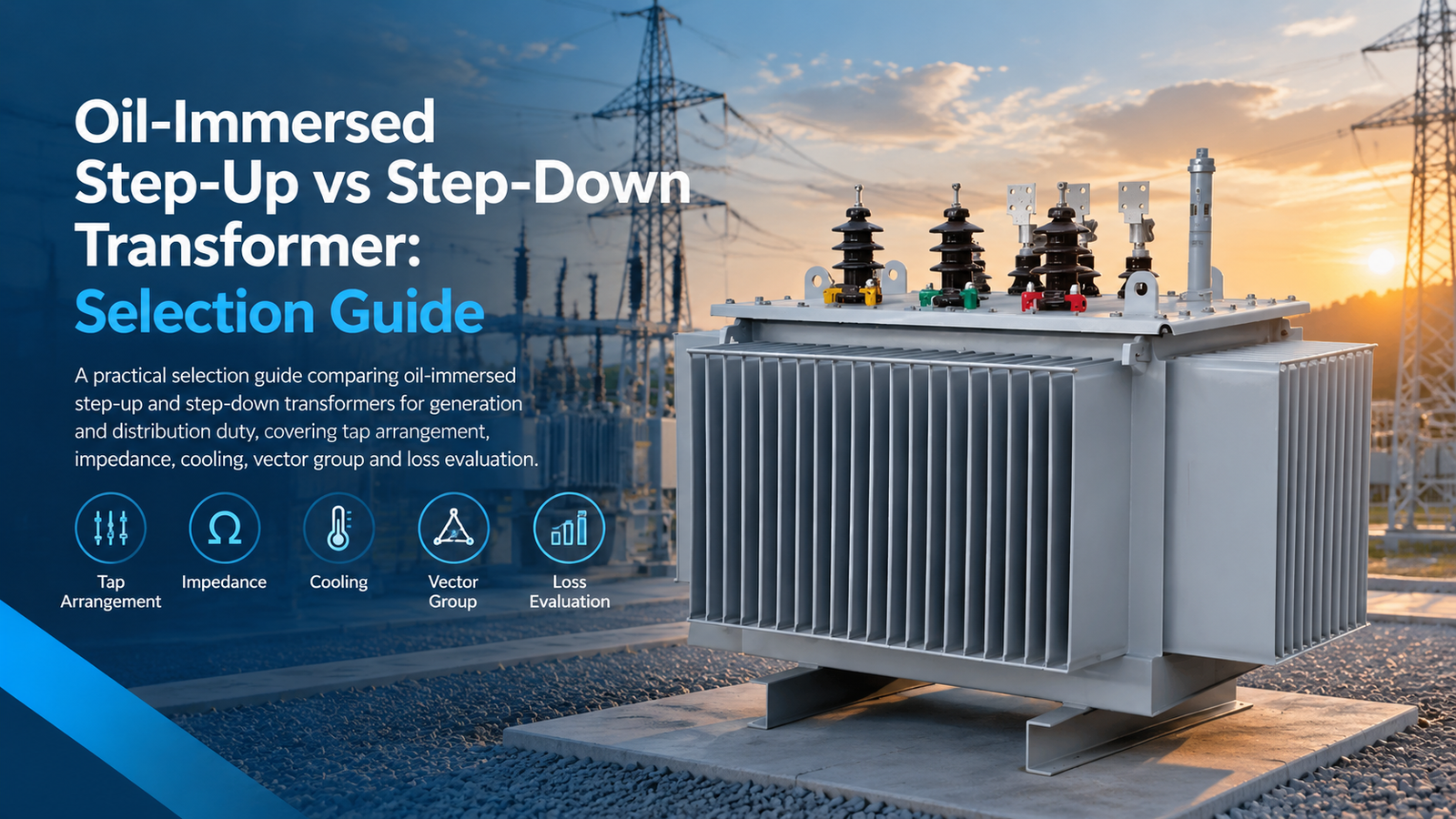
Step-up and step-down oil-immersed transformers differ in taps, impedance, cooling and loss weighting. Here is how to specify each duty for generation and distribution.
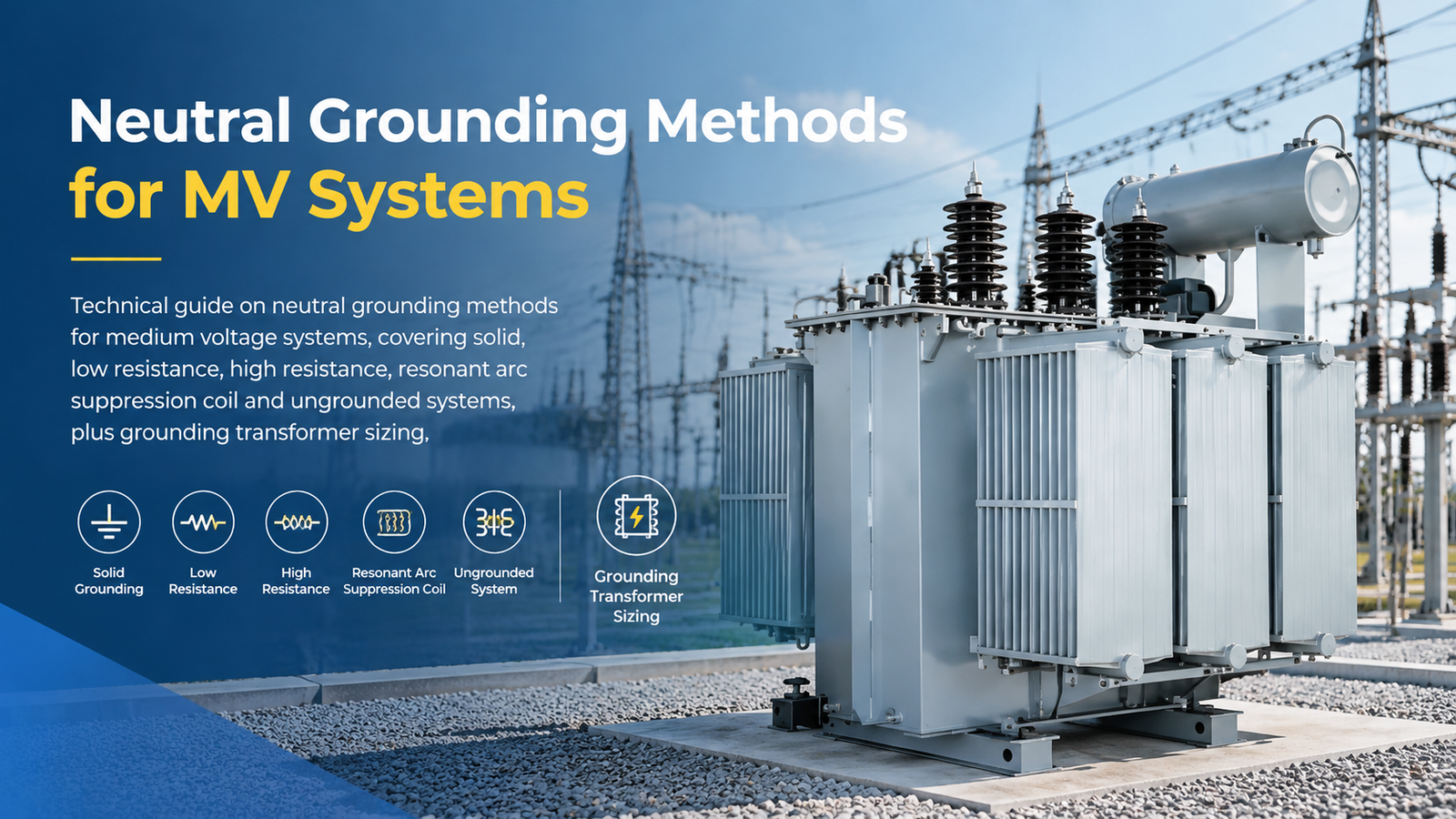
Compare solid, low resistance, high resistance, resonant and ungrounded MV neutrals, and size the grounding transformer and resistor that go with each method.
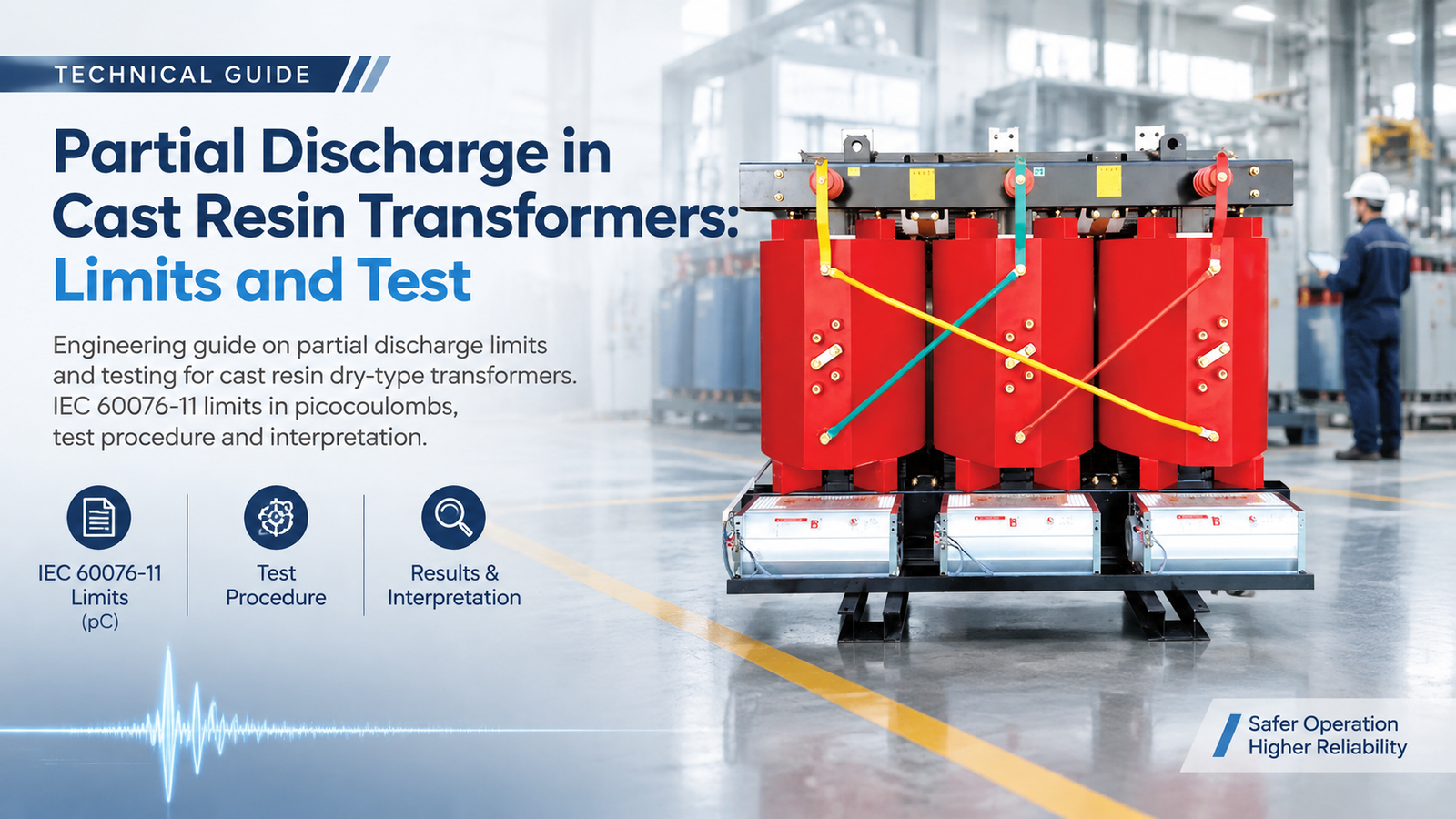
Why partial discharge decides cast resin transformer life: the 10 pC limit, how the IEC 60270 test runs, what the pC reading means, and the casting defects behind it.
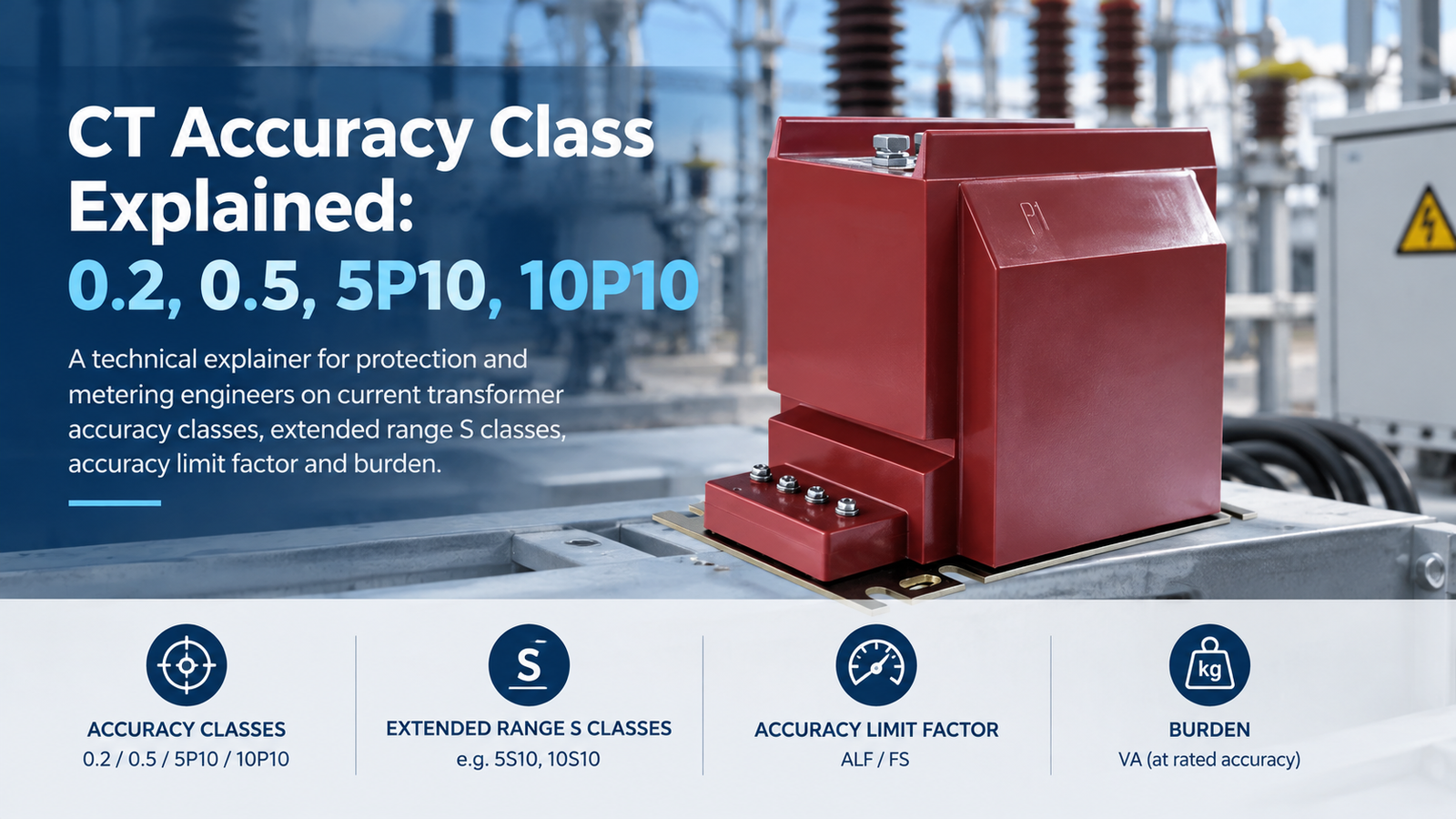
Decode CT accuracy classes: metering classes 0.1 to 3.0, what the S suffix changes, how 5P10 and 10P10 differ, and why burden decides the accuracy you actually get.
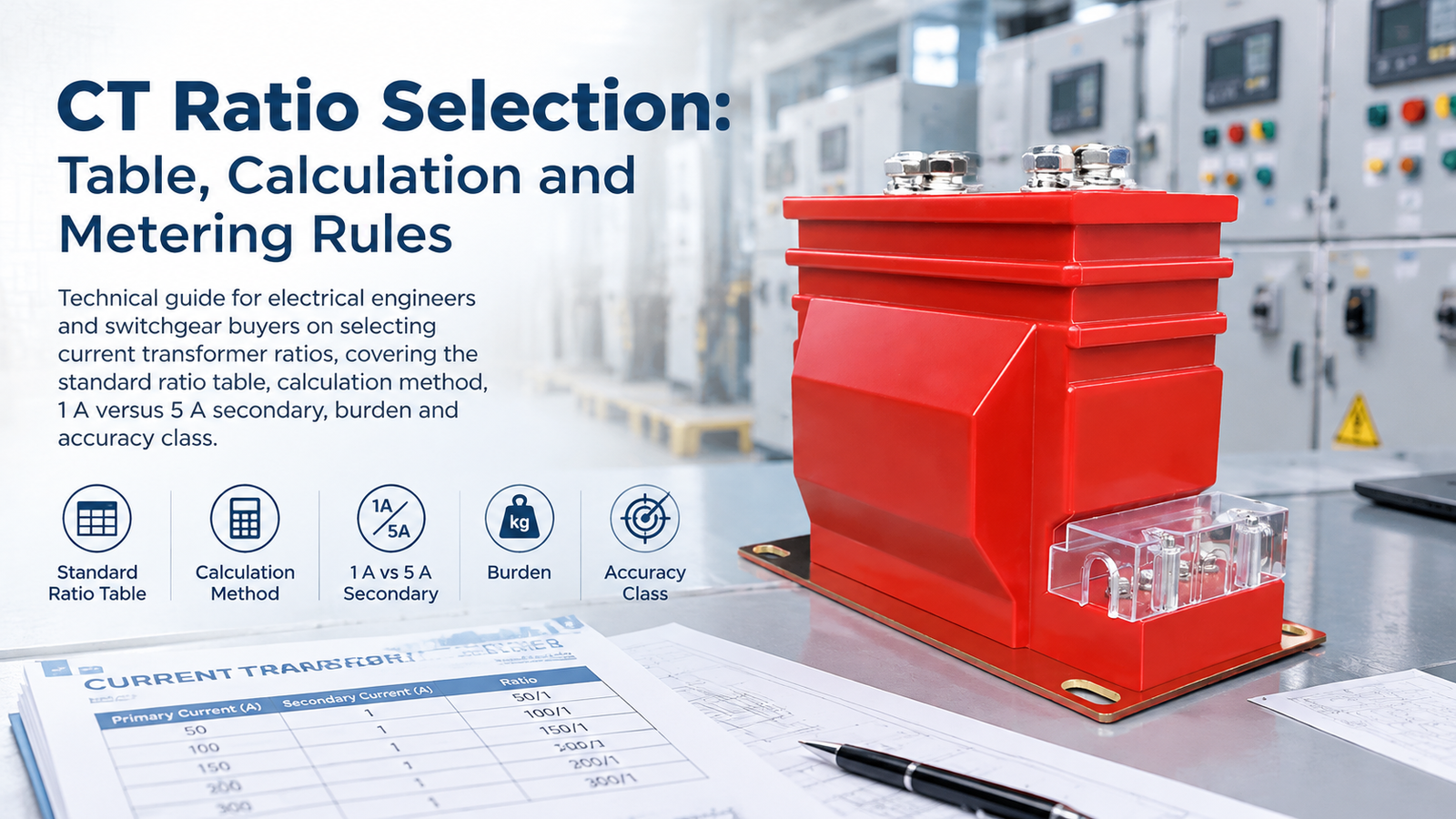
How to select a CT ratio: the standard ratio table, the calculation from load current, 1 A versus 5 A secondaries, and the burden limits that decide whether the meter stays accurate.
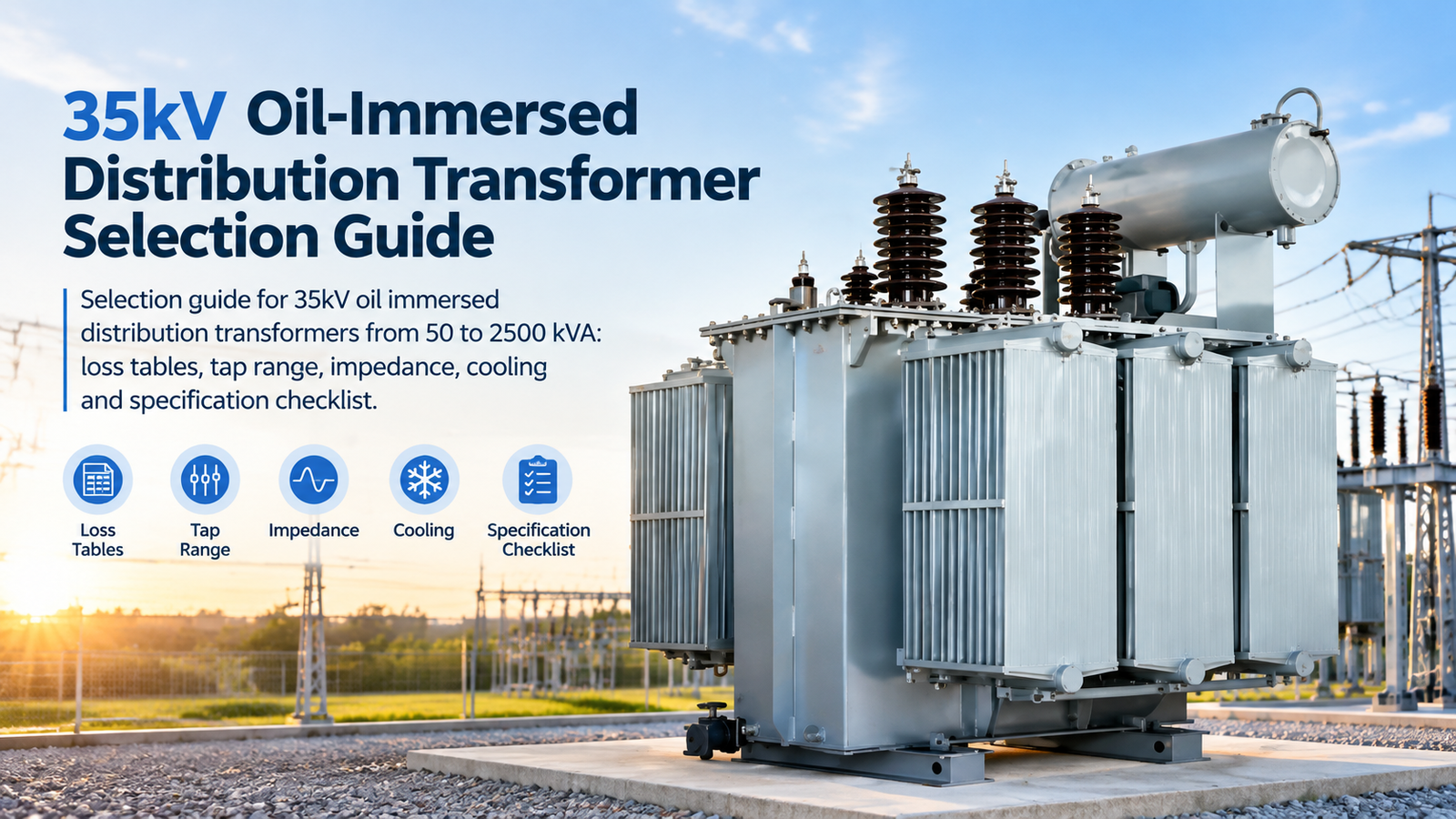
Capacity, ratio, losses, impedance and cooling decide a 35 kV oil-immersed distribution transformer. Selection steps with the published loss table.
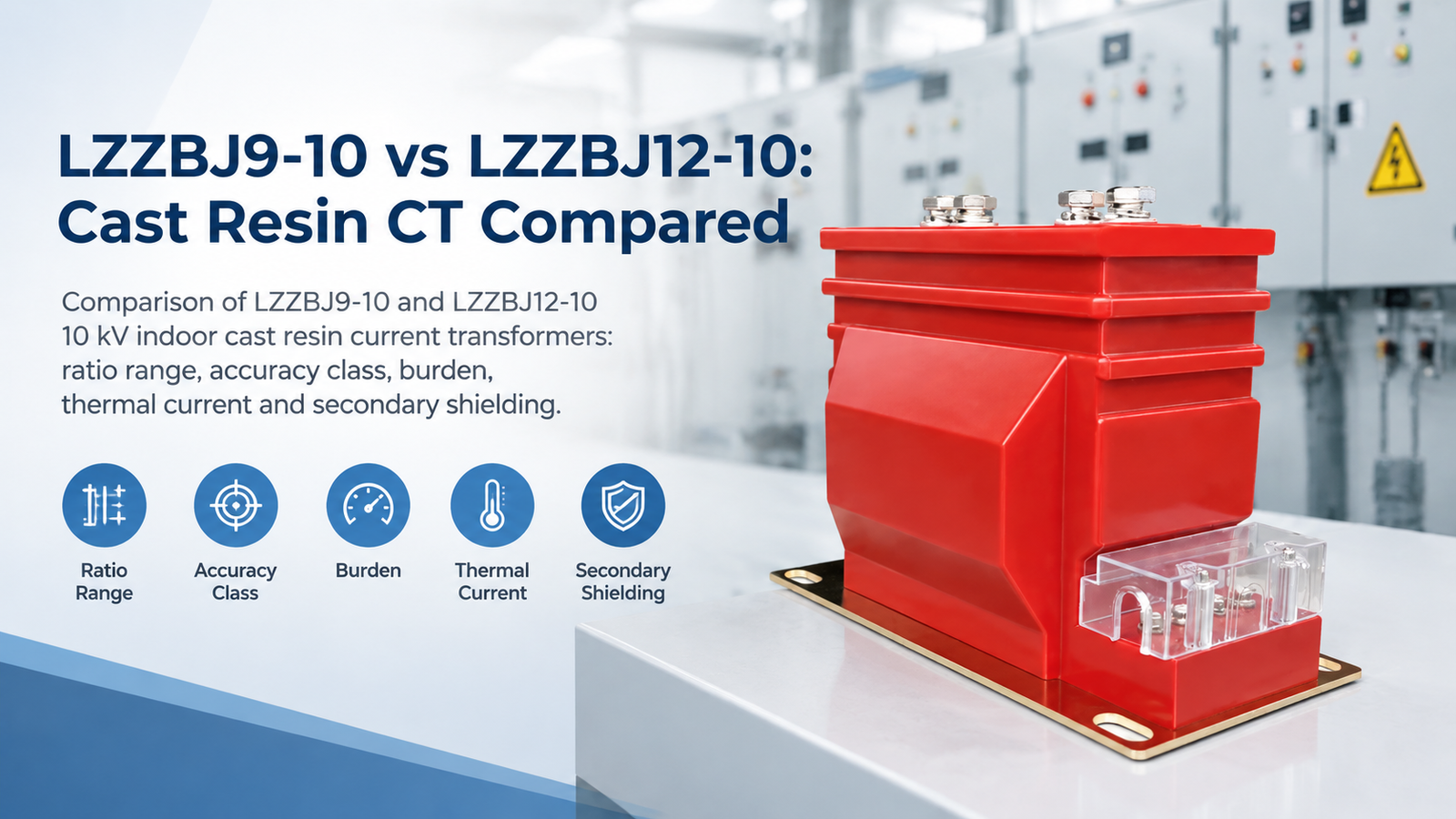
Both are 10 kV cast resin CTs, but LZZBJ9-10 is 50 Hz only while LZZBJ12-10 covers 50/60 Hz with shielded terminals. Compare before ordering.