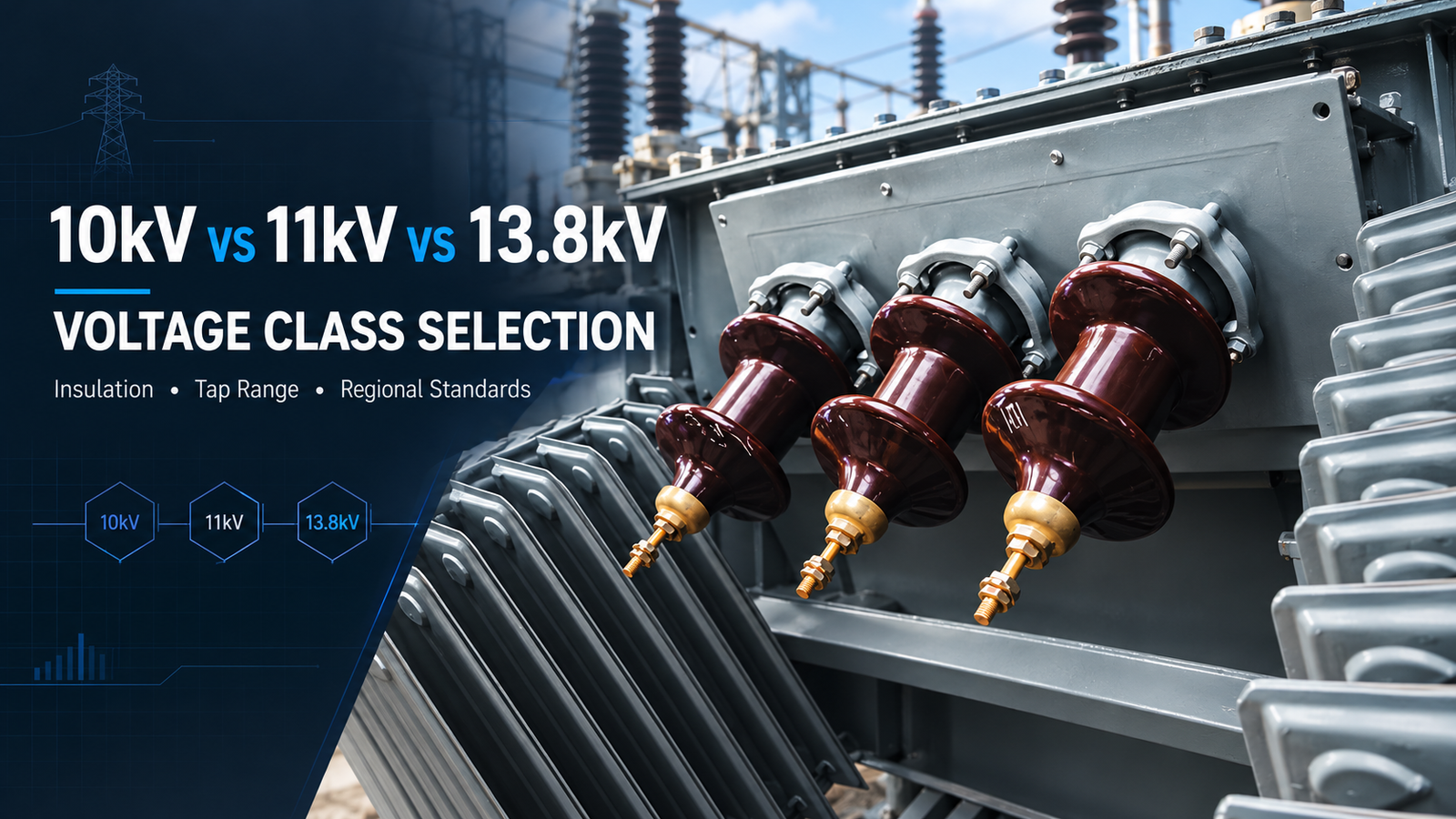
10kV vs 11kV vs 13.8kV: Choosing the Right Voltage Class
10 kV, 11 kV and 13.8 kV transformers differ in ratio, insulation level and tap range. Here is how to pick the right voltage class and avoid a costly mismatch.

10 kV, 11 kV and 13.8 kV transformers differ in ratio, insulation level and tap range. Here is how to pick the right voltage class and avoid a costly mismatch.
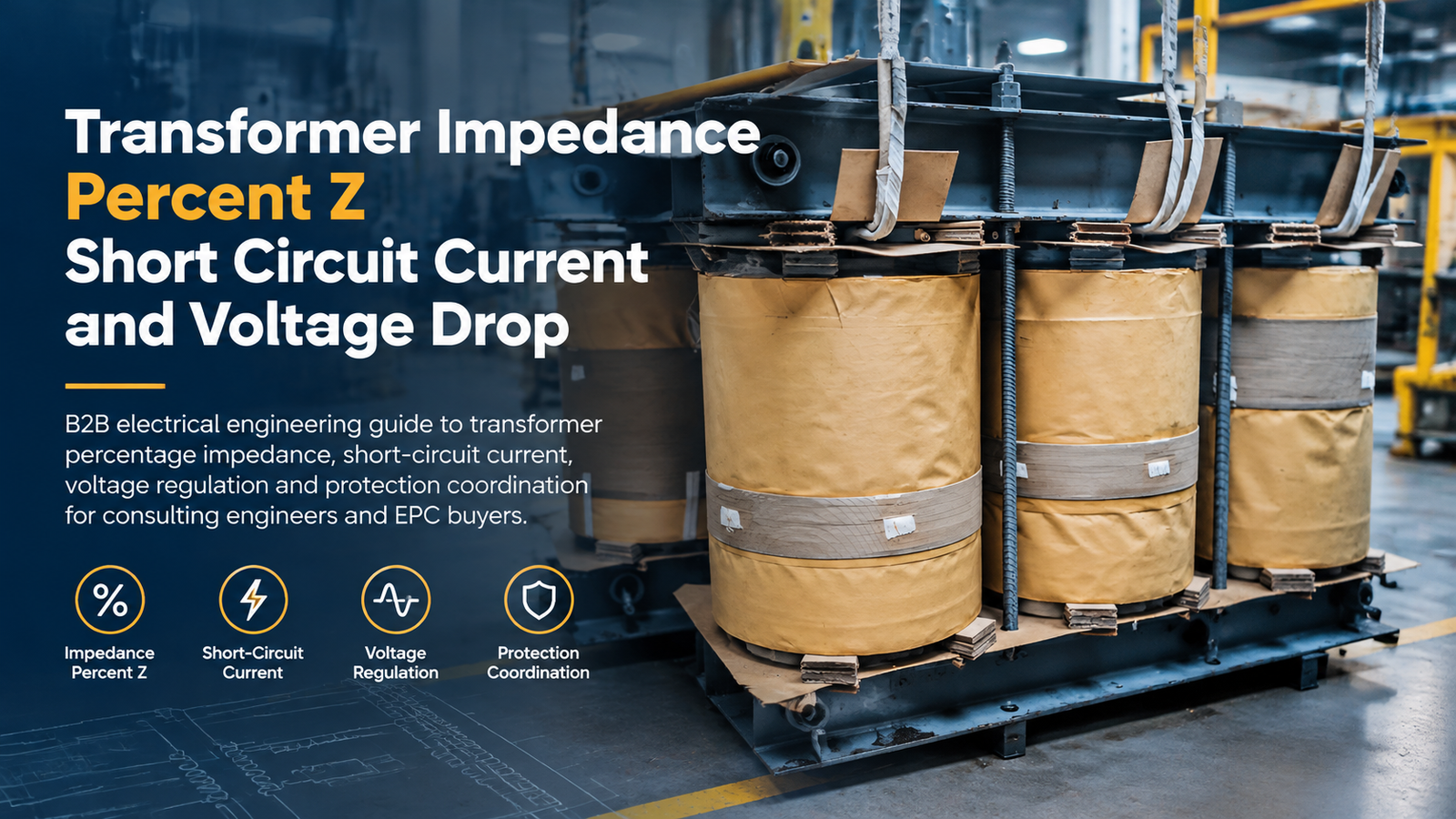
How percentage impedance sets the fault level, the voltage drop and the parallel operating rules, with worked fault-current and regulation calculations.
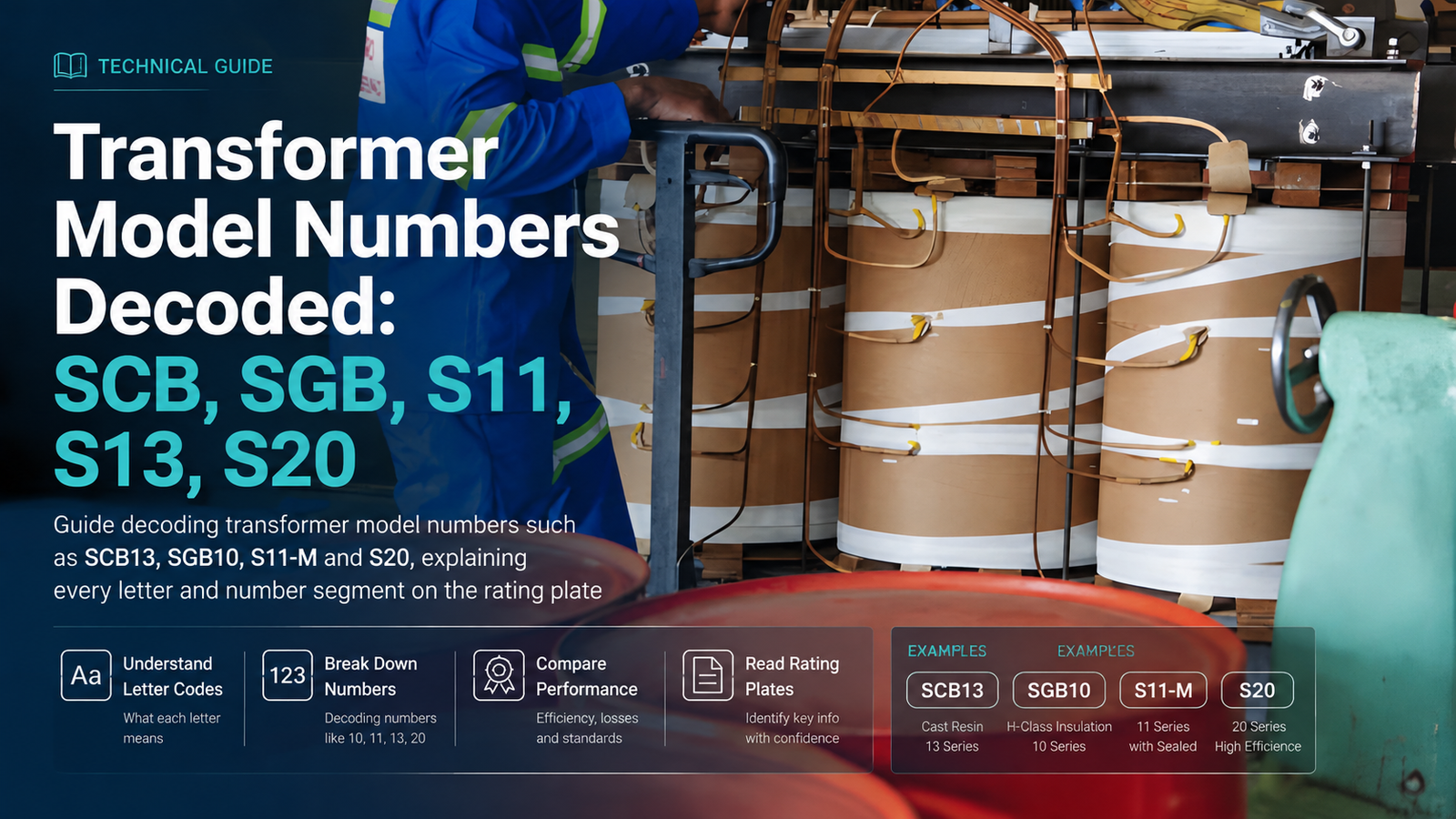
How to read transformer model numbers such as SCB13, SGB10, S11-M and S20: every letter and number explained, plus the eight ratings the code does not cover.
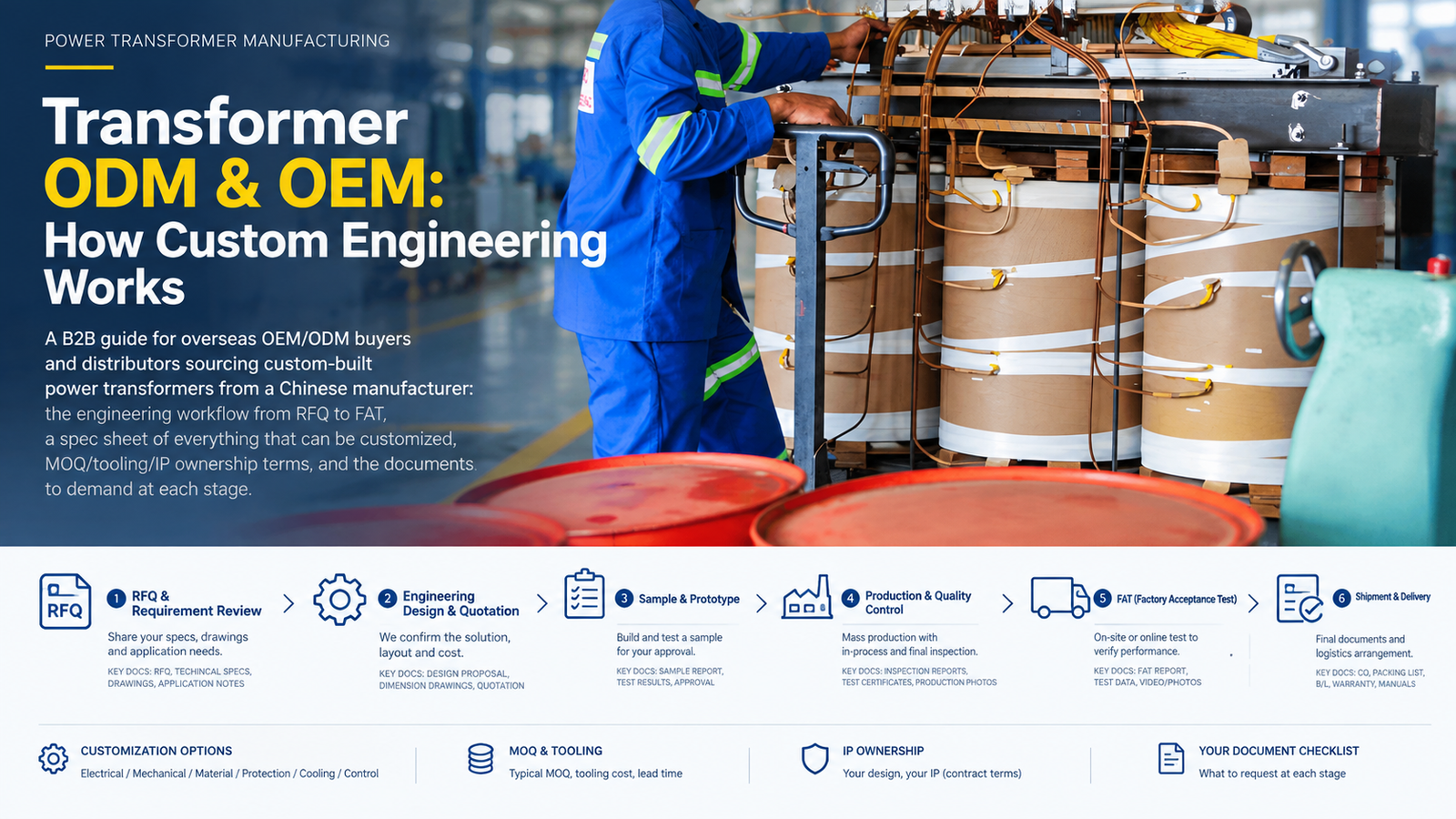
Transformer ODM and OEM programs explained: the custom engineering workflow from RFQ to FAT, the 15-field spec sheet, tooling and IP ownership, MOQ and lead-time terms.

SCB10, SCB13, SCB14 and SCB18 compared on loss values, efficiency grade, price and lifetime payback, with a worked capitalised-loss example at 1000 kVA.
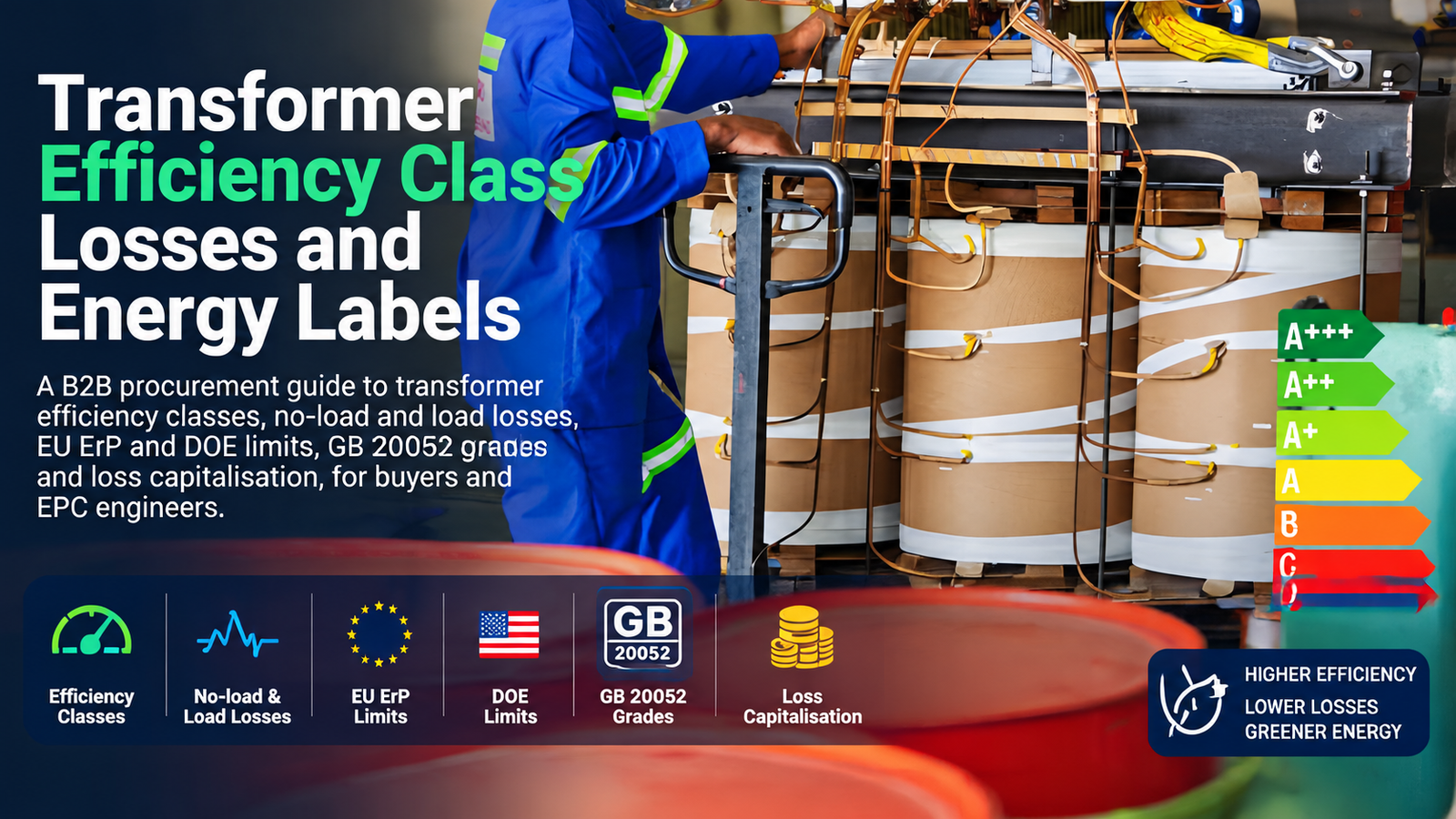
What an efficiency class regulates, how EU ErP, DOE and GB 20052 differ, why load points are not comparable, and how to capitalise losses into a 25-year cost.
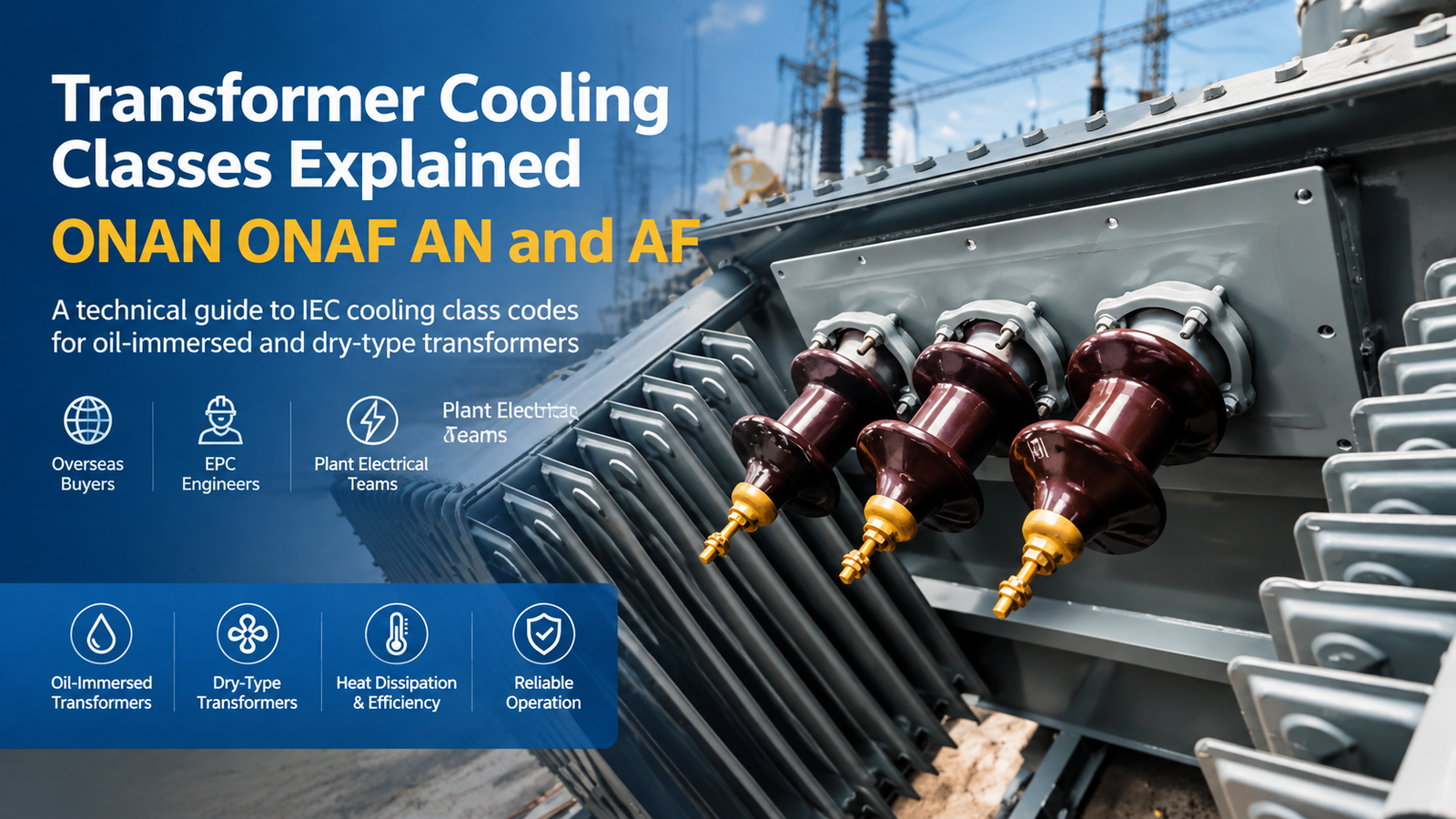
How to read the IEC cooling code on a transformer nameplate, what each class adds in capacity, and what it costs in noise, auxiliary power and maintenance.
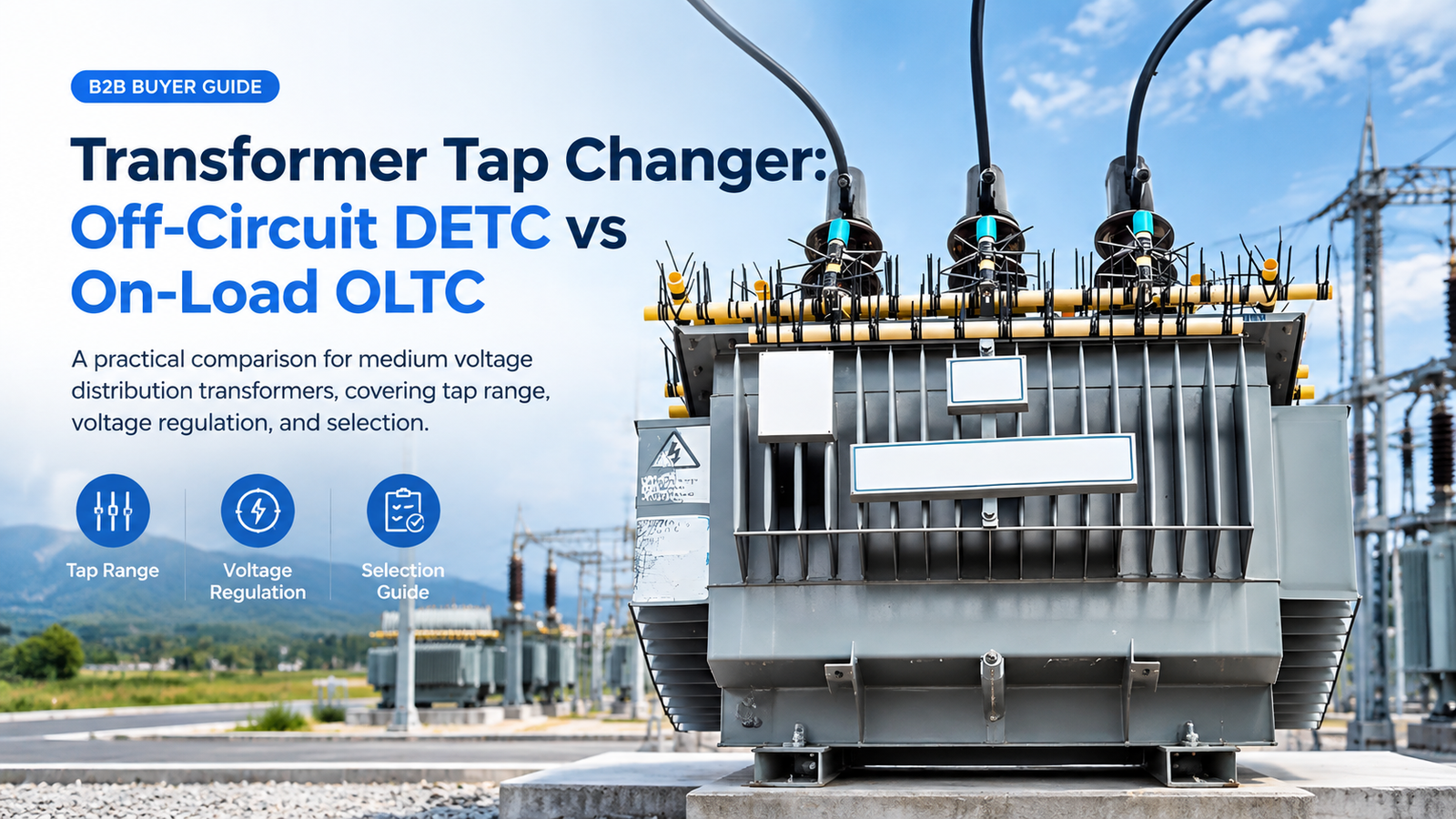
DETC or OLTC? A practical comparison of off-circuit and on-load tap changers for medium voltage transformers, covering range, step size, cost, maintenance and specification.
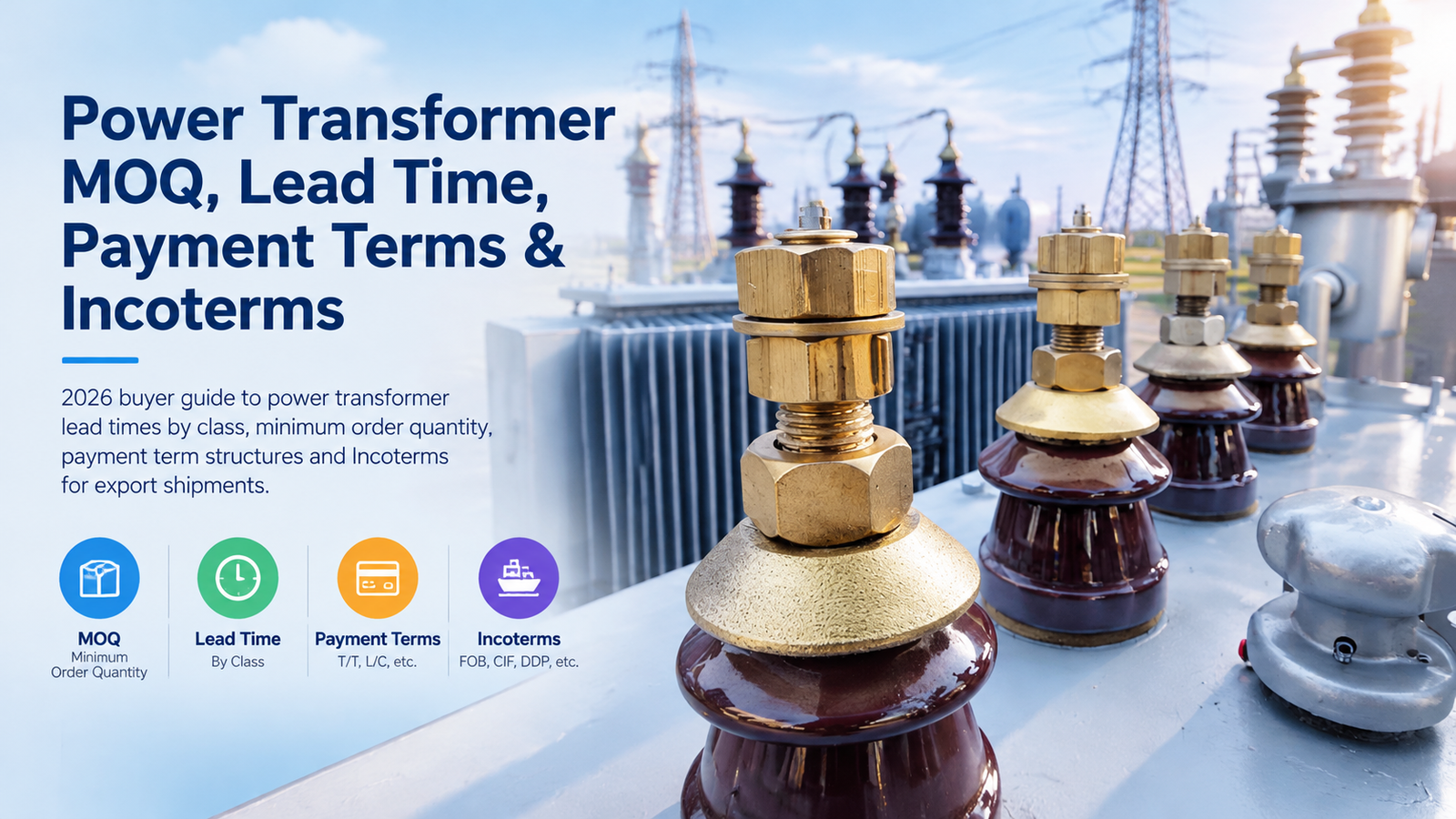
In 2026 large power transformers average about 128 weeks while distribution units run 12-30 months. Here is what MOQ, lead time, payment terms and Incoterms really look like for buyers.