Dry Type Transformer Price 2026 Capacity Features and Costs
Published: Author: Kampa
If you’re exploring dry type transformer price options in 2026, you’ve landed in the right place. Understanding what drives costs—and how to navigate the market—can save you time and money while ensuring you get a reliable, high-performance unit. From capacity and materials to certifications and customization, pricing varies widely, and knowing the details helps you make smarter choices. Whether you’re an engineer, procurement pro, or business owner, this guide will break down key factors shaping dry type transformer prices, highlight typical cost ranges, and show why partnering with a trusted supplier like Kampa makes all the difference. Let’s get started!
What Is a Dry Type Transformer?
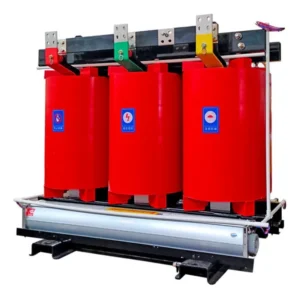
A dry type transformer is an electrical device that transfers electrical energy between circuits through electromagnetic induction without the use of any liquid cooling medium like oil. Instead, it relies on air for cooling, which is why it’s often called an air-cooled transformer. The core and windings are insulated with materials such as epoxy resin or varnish, ensuring safety and durability.
Unlike traditional oil-filled transformers, dry type transformers eliminate the risk of oil leaks and fire hazards, making them safer for indoor and environmentally sensitive applications. They typically feature simpler installation requirements because no oil containment or fire suppression systems are needed. Cooling is achieved naturally by air circulation (AN) or forced air (AF) depending on the design.
Dry type transformers are commonly used in settings where safety and low maintenance are critical. You’ll find them in indoor commercial buildings, hospitals, data centers, industrial facilities, and renewable energy systems such as wind and solar farms. Their reliable performance and reduced environmental risks make them a popular choice for modern power distribution needs.
By understanding their fundamental working principle and advantages over oil-filled transformers, you can better appreciate why dry type transformer price points reflect these practical benefits and safety features.
Types of Dry Type Transformers
Dry type transformers mainly come in three types, each with distinct features, advantages, and price points:
1. Vacuum Pressure Impregnated (VPI)
Construction: Coils are vacuum impregnated with resin for excellent insulation.
Pros: High mechanical strength, good heat dissipation, durable in harsh environments.
Cons: Typically more expensive and heavier.
Price Impact: On the higher side due to complex manufacturing and robust materials.
2. Cast Resin (Encapsulated)
Construction: Coils fully encapsulated in epoxy resin, making them sealed and moisture-resistant.
Pros: Excellent for dusty, humid, or corrosive environments; minimal maintenance.
Cons: Heavier, with a slightly lower heat dissipation compared to VPI.
Price Impact: Mid to high range, often chosen for industrial or commercial applications.
3. Open Wound
Construction: Coils are exposed, with no resin encapsulation.
Pros: Lightweight, lower initial cost, easier to repair.
Cons: Less resistant to moisture and contamination; requires cleaner environments.
Price Impact: Generally the most affordable but limited to specific indoor uses.
Choosing the right type depends on your environment, load demands, and budget. The differences in construction and insulation directly impact the dry type transformer price and suitability for specific applications.
Factors Influencing Dry Type Transformer Prices in 2026
Several key factors impact the dry type transformer price in 2026, shaping costs across different models and applications:
Capacity (kVA rating): This is the biggest price driver. Larger capacity transformers naturally cost more due to increased materials and complexity.
Voltage class: Low voltage dry type transformers tend to be cheaper than medium voltage units, which require more robust construction and insulation.
Winding material: Copper windings provide better conductivity but come at a higher cost compared to aluminum. The choice affects both price and performance.
Insulation and cooling type: Dry transformers use different cooling methods, like Air Natural (AN) or Air Forced (AF), which influence cost. Higher temperature rise ratings also add to the price due to enhanced materials.
Certifications and standards: Compliance with global standards such as IEC, UL, or DOE energy efficiency requirements can increase costs but ensure reliability and safety.
Customization options: Features like special enclosures, noise reduction technology, or K-factor design for harmonic loads can raise prices but improve transformer suitability for specific environments.
Market trends: Raw material price fluctuations (like copper and epoxy resin), supply chain dynamics, and regional manufacturing rates also impact overall pricing.
Understanding these factors helps you make a smart choice with your dry type transformer budget and match product features to your project needs. For more on selecting the right model and detailed specifications, check out our guide on how to select the right dry type transformers for your project.
Dry Type Transformer Price Ranges in 2026
Dry type transformer price varies mainly by capacity, type, and region in 2026. On average, you can expect the cost to be roughly between $60 to $120 per kVA for three-phase dry type transformers, depending on specs and manufacturer.
Here’s a quick cost overview for popular capacity ranges and types:
Capacity (kVA)
VPI Dry Type Transformer Price (USD)
Cast Resin Transformer Price (USD)
100
$6,000 – $8,000
$7,000 – $9,500
500
$30,000 – $45,000
$35,000 – $50,000
1000
$60,000 – $90,000
$70,000 – $100,000
2000+
$120,000+
$130,000+
Note: Cast resin units generally cost more due to better insulation and durability in harsh environments.
Regional Variations and Supplier Impact
Pricing also depends on where you buy your dry type transformer. Leading suppliers like Kampa offer highly competitive pricing thanks to efficient manufacturing and global supply chains. For instance, Kampa’s dry type power transformers cover a range of configurations, balancing cost and quality efficiently. You can explore their offerings for dry type power transformers to get an idea of available specs and prices.
Tips for Getting Accurate Quotes
Specify your exact load and environmental needs to avoid over- or undersizing.
Ask for detailed pricing that includes delivery, installation, and warranty.
Confirm certifications and standards compliance.
Get quotes from multiple suppliers including local and international options.
Consider asking for customization options like noise reduction or K-factor for harmonic loads.
By focusing on clear specs and trusted suppliers like Kampa, you’ll ensure the dry type transformer price you pay in 2026 reflects both quality and value.
Dry Type vs. Oil-Filled Transformers: Cost Comparison
When comparing dry type transformer price to oil-filled options, it’s important to look beyond the initial purchase and consider the full cost picture.
Cost Aspect
Dry Type Transformer
Oil-Filled Transformer
Initial Purchase Cost
Generally higher due to insulation & safety features
Usually lower upfront cost
Installation Expenses
Lower – no need for oil containment or fire protection
Higher – requires complex infrastructure and safety measures
Maintenance Costs
Low – no oil changes, less risk of leaks
Higher – regular oil checks and replacements needed
Operational Costs
Efficient cooling reduces energy loss
Slightly less efficient cooling
Total Cost of Ownership
Often lower over time despite higher upfront price
Can be higher due to maintenance and safety upgrades
When Dry Type Offers Better Value
Indoor or urban areas with strict fire and environmental regulations favor dry type transformers.
Sites needing minimal maintenance or easy access benefit from dry type units.
Places aiming for long-term reliability and lower upkeep costs see more value.
Buildings like hospitals, data centers, and commercial spaces often choose dry type despite the slightly higher initial cost.
How to Choose the Right Dry Type Transformer for Your Budget
Choosing the right dry type transformer means balancing your budget with your operational needs. Here’s how to make a smart pick:
Assess Load Requirements and Site Conditions
Calculate your load precisely: Know your kVA needs to avoid overspending or undersizing.
Consider site specifics: Indoor space, ventilation, and noise limits matter. Some sites need cast resin dry transformers for low emissions.
Voltage class: Low voltage vs. medium voltage affects cost and design.
Balance Upfront Cost with Efficiency and Lifespan
Don’t just chase the lowest price. Investing a bit more upfront in energy-efficient units can save money long-term.
Check temperature rise ratings and insulation type — higher quality means longer life and fewer replacements.
Compare copper vs. aluminum windings; copper costs more but often offers better conductivity and durability.
Watch for Red Flags in Low-Price Offers
Unusually low prices often mean compromised quality – cheaper materials, poor insulation, or lack of certifications.
Avoid transformers without recognized standards like IEC or UL.
Check supplier reputation. Reliable producers like Kampa provide certified, tested products to avoid hidden costs from failures.
Benefits of Partnering with Experienced Suppliers Like Kampa
Kampa offers customizable dry type transformers tailored to your needs, ensuring efficiency and compliance.
Their expertise ensures quick delivery, proper installation advice, and reliable support.
Working with a trusted dry type transformer supplier reduces risk, helping you get the best value over your transformer’s lifespan.
By focusing on these points, you can find a dry type transformer that fits your budget without sacrificing quality or performance. For customized solutions, Kampa’s extensive range and expert services are a solid choice to meet your specific requirements.
Why Choose Kampa as Your Dry Type Transformer Supplier
Kampa stands out as a trusted dry type transformer supplier with years of experience in delivering reliable dry type power transformers worldwide. Their deep expertise means you get products built to perform and last, whether it’s for commercial, industrial, or renewable energy projects.
Commitment to Quality and Customization
High-quality materials and manufacturing standards ensure safety and durability.
Flexible customization options, including enclosures, noise reduction features, and K-factor ratings for harmonics.
Competitive pricing that balances cost with long-term value.
Wide Product Range and Support Services
Kampa offers various dry type transformers, from cast resin transformers to VPI models, meeting different application needs. Their services include:
Service Type
Benefits
Design Consultation
Tailored solutions optimizing efficiency
Fast Delivery
Quick turnaround to meet tight schedules
After-Sales Support
Reliable maintenance and technical help
For those needing detailed specs or looking to compare with oil-based options, Kampa transformer supplier also provides a comprehensive line of oil immersed power transformers and voltage transformers to complement your electrical setup.
Choosing Kampa means getting a partner focused on quality, innovation, and competitive dry type transformer pricing in 2026, helping you meet your project goals without compromise.